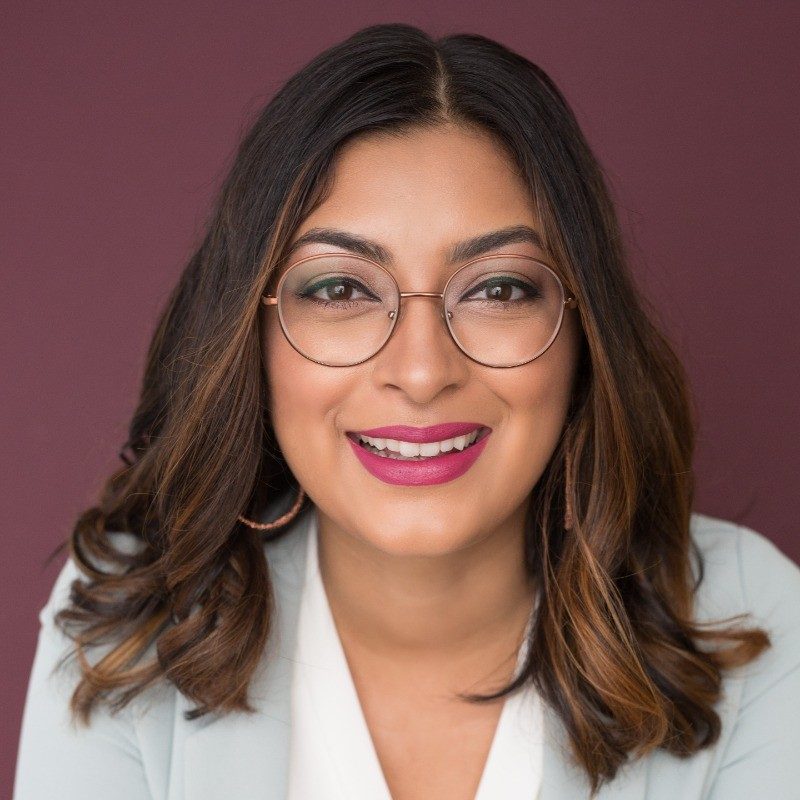
I utilize techniques from a variety of therapeutic methods such as Cognitive Behavioral Therapy, Trauma-Focused Cognitive Behavioral Therapy, Psycho-education, Mindfulness, Strengths-Based, and many more. I am passionate about providing quality care to each and every person. As a Licensed Mental Health Counselor, I have worked with a diverse population by providing individual and group therapy both in English and Spanish. I am committed to social justice and providing counseling from a multi-culture lens to adults, youth, children, and families. I have worked in community health centers, indigenous communities, and at an alternative high school and middle school with at-risk youth who struggled with drug and alcohol addiction, emotional and behavioral problems. I have experience working with natural supports and providing parenting skills. I have experience working with clients on a variety of issues such as depression, anxiety, trauma/PTSD, relationships, family problems, behavior concerns, ADHD, domestic violence, chronic pain, and body image.
Their story
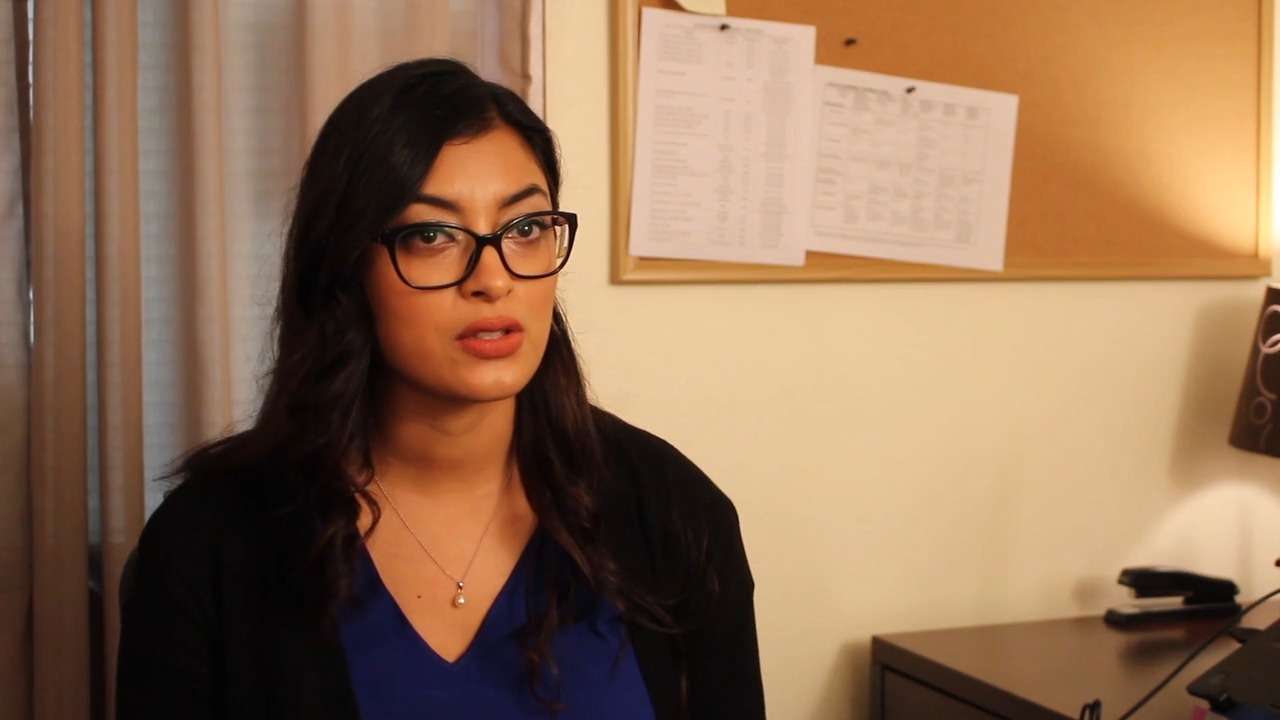
What Happens When You Make Helping Others Your Superpower?
15 min
Watch the full story →
Watching requires a free Vitaes account.
Key quotes
“People come here in their most vulnerable state and the most vulnerable time of their lives, and I have the opportunity to help them.”
Yecinia Giron, Child & Family Therapist
“One of my favorite things is to see someone come into my office and they're feeling pretty sad, they're feeling pretty down, and they leave with a smile. They leave more hope than they came with.”
Yecinia Giron, Child & Family Therapist
“My parents always taught me to be able to help others — people who were in need if they needed food, if they needed help, if they needed a ride. So they instilled that in me of wanting to help others.”
Yecinia Giron, Child & Family Therapist
“Some individuals may be a little bit resistant to therapy because of the stigma of mental health — they might say, I'm crazy, I'm not going to go to those places.”
Yecinia Giron, Child & Family Therapist
“When I leave the office, how do I be able to separate work from my personal life? Being able to hang out with friends, go to the movies, take a hot bath, make my favorite meal — that is the way I take care of myself.”
Yecinia Giron, Child & Family Therapist
Career highlights
Volunteer at a behavioral health clinic before committing to the path — it lets you taste the career firsthand.
Yecinia recommends that young people sign up for volunteer programs at places like CMAR Behavioral Health so they can talk to real therapists and get hands-on exposure before investing in graduate school.
Understand the difference between a therapist, psychologist, and psychiatrist so you can choose the right educational path.
Yecinia breaks it down clearly: therapists have a master's, psychologists have a PhD, and psychiatrists prescribe medication. Knowing the difference helps you pick the right degree.
After your master's degree, you work toward licensure by accumulating supervised hours on the job, then passing a state exam.
Yecinia explains that once you're hired as a mental health therapist, your hours count toward your license. She was preparing to take her licensure exam at the time of filming.
Active listening and being fully present with clients are the most important skills you can develop in this field.
Yecinia describes being present as tuning into what your client is saying in the moment — reflecting back what they share and asking meaningful questions rather than just going through the motions.
Self-care is not optional in this career — build habits that help you separate work from your personal life.
Yecinia talks about how hearing clients' pain can weigh on you, and how she protects herself by spending time with friends, watching movies, cooking her favorite meals, and doing things she genuinely enjoys after work.
This career has real room to grow — you don't have to stay in one lane.
Yecinia lays out multiple directions: stay as a clinician, move into clinical supervision, become a program manager, or pursue a PhD in areas like neuroscience or cognitive psychology.