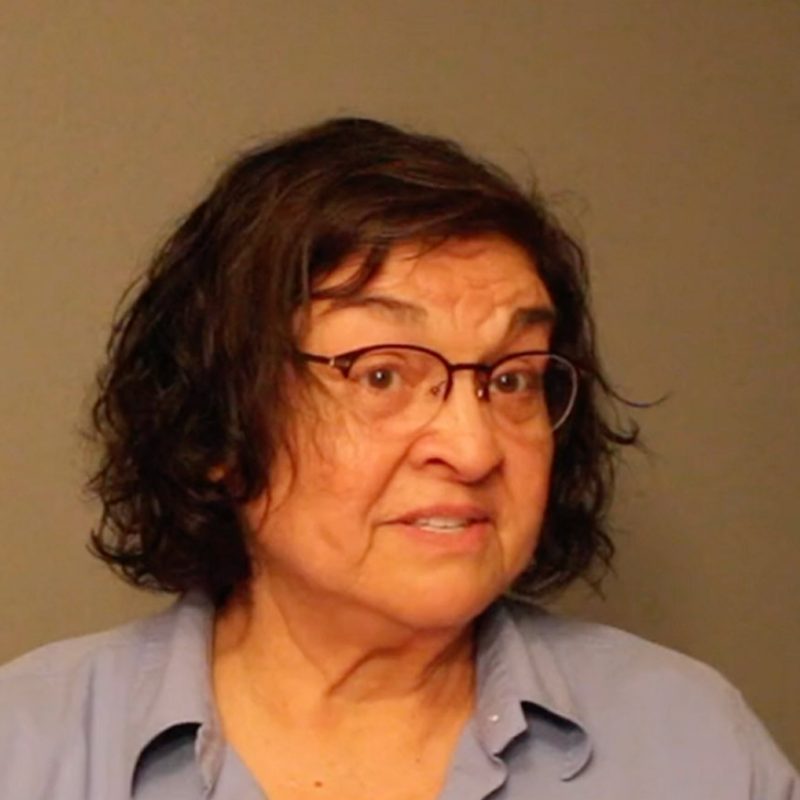
Susan Borrego has built her career on strong relationships, clear communication, and a genuine drive to help people and organizations thrive. Her path shows that leading with integrity and a people-first mindset can open doors across industries and communities. Whether you're figuring out your next step or learning how to navigate professional spaces, Susan's story is a reminder that persistence and character go a long way.
Their story
Taking care of the Professionals that take care of you
17 min
Watch the full story →
Watching requires a free Vitaes account.
Key quotes
“I love taking care of healthcare workers. I think that is such an important job. It's really an honor and a privilege to me to take care of them because as we often see as healthcare workers, we take care of everybody else before we take care of ourselves.”
Susan Borrego, Director of Employee Health Services
“Always keep your resume on your laptop and up to date. You never know.”
Susan Borrego, Director of Employee Health Services
“My mom wanted to be a nurse. And she had written in some little memoirs that she was writing in her story about having wanted to study as a nurse. And I said, I think I'm gonna be a nurse.”
Susan Borrego, Director of Employee Health Services
“I worked with migrant families, using a little bit of Spanish to help the migrant families and their children. And loved it. I mean, I just loved community health. The plus of that is you feel like you're making a difference.”
Susan Borrego, Director of Employee Health Services
“When I started in this specific track, I was making about $60,000. And now I'm at $159,000 a year, and in some hospitals that have bonuses I've been able to earn up to 20% of my salary.”
Susan Borrego, Director of Employee Health Services
Career highlights
Get your bachelor's degree in nursing (BSN), not just an associate degree, if you want to move into program management and leadership.
Susan explains that associate degree nurses are strong at bedside care, but a BSN gives you the broader program management skills needed to run an employee health department.
After two to two-and-a-half years working in occupational health, you can sit for the Certified Occupational Health Nurse (COHN) exam — do it.
Susan calls this the second or third must-have credential and strongly encourages nurses entering the field to pursue certification as soon as they're eligible.
Always keep your resume updated on your laptop — you never know when an opportunity or a layoff is coming.
Susan was laid off from a hospital she thought she'd retire from, and later landed a director role in Hawaii partly because her resume was ready to go when someone called.
Talk to people already doing the job — call employee health departments at local hospitals and reach out to nursing schools with occupational health programs.
Susan specifically recommends reaching out to faculty like Barbara Bergel at UCSF if you're curious about the field, saying it will either convince you or help you realize it's not for you.
Your language skills and community connections are real professional assets — don't underestimate them.
Susan used her Spanish working as a public health nurse with migrant farmworker families in Butte County, describing it as one of the most meaningful parts of her early career.
It's okay to start over, even in your late 20s — your earlier experiences still add value.
Susan worked in banking, insurance, and semiconductor manufacturing before deciding at age 26 or 27 to become a nurse. All of those experiences shaped the manager and leader she became.