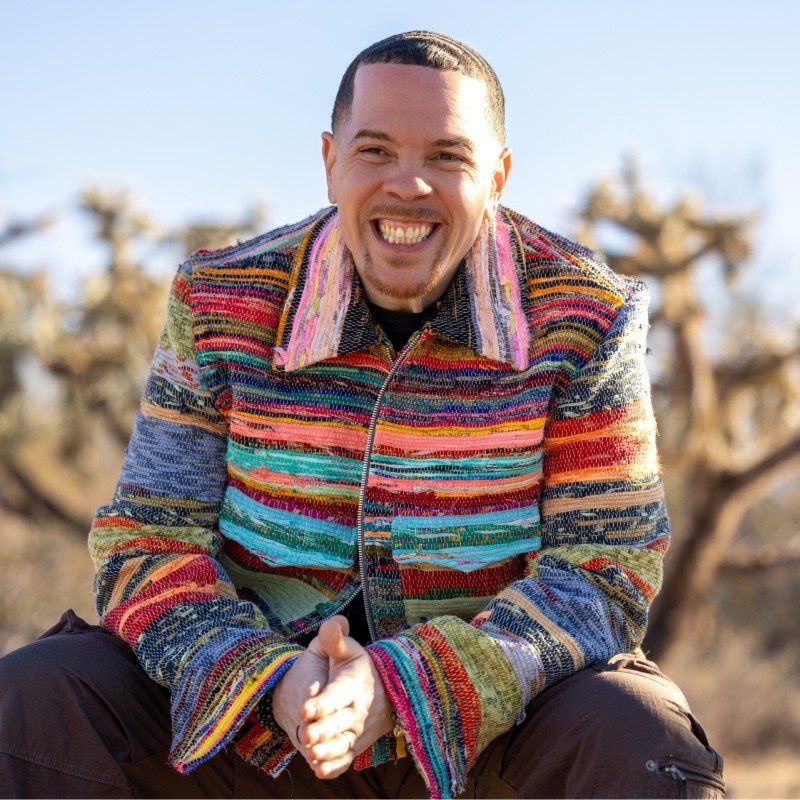
I create spaces for leaders, teams, and communities to return to presence, restore rhythm, and carry awareness into aligned action. Through Movement Makers, I partner with organizations through coaching, facilitation, retreats, and curriculum-based experiences that cultivate performance rooted in presence, relational trust, and intentional practice. The work is for people carrying meaningful responsibility: founders, executives, educators, nonprofit leaders, community builders, and teams doing human-centered work under pressure. At the heart of my work is a simple question: Who is checking for the leader? Movement Makers does not reject performance. We reject performance as the measure of human worth. Performance can be beautiful when rooted in presence. It becomes costly when driven by proving, urgency, fear, or disconnection. Through The Practice of Return, I write about presence, wholeness, leadership, belonging, and becoming. Through Movement Makers Foundation, we are expanding access to practices, relationships, and communities where people return to themselves, remember one another, and build what becomes possible together. People are possibilities, not problems.
Their story
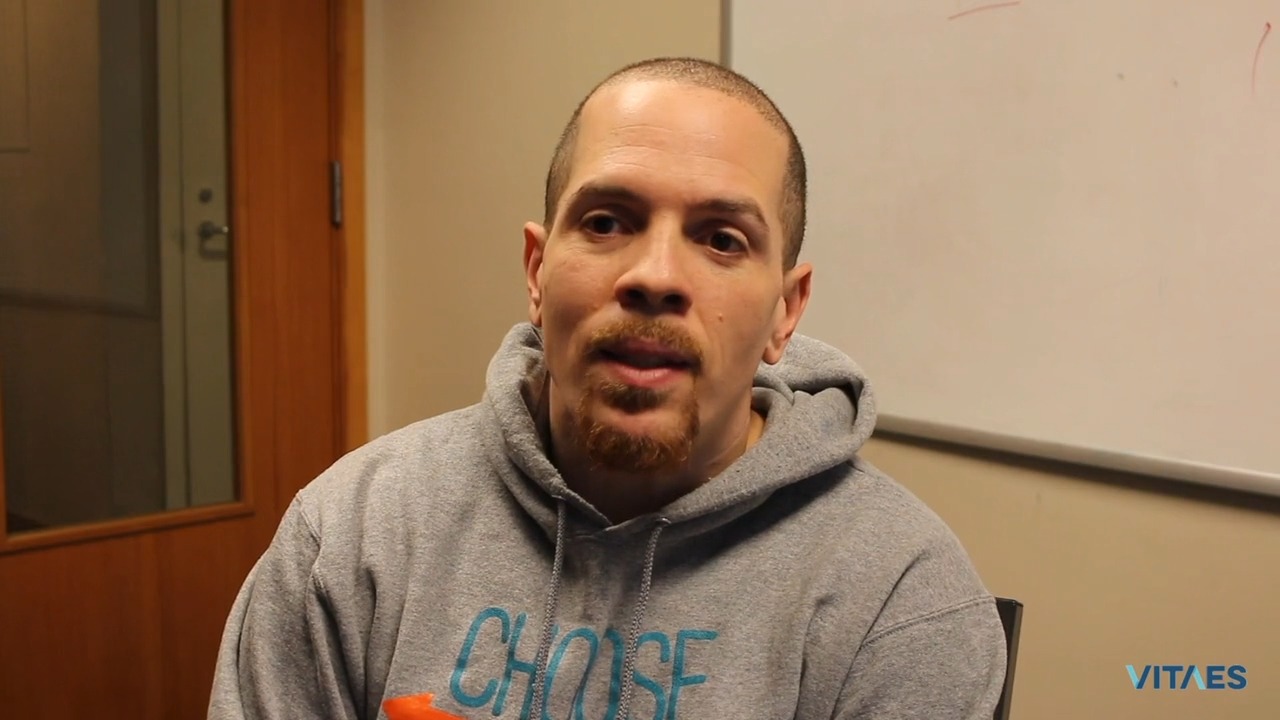
What impact are you seeking to create? Sean Goode can help
18 min
Watch the full story →
Watching requires a free Vitaes account.
Key quotes
“I'm a big believer that who you are matters. And if you can be your whole self in what it is you're doing, then that's the place that you should go.”
Sean Goode, Executive Director of Choose 180
“We've all been in places where we've made poor decisions and had to make these pivots. I call them pivot moments. And for most of us that have a community of support around us, we pivot to the right thing. For folks that don't have that support, they often pivot the wrong direction.”
Sean Goode, Executive Director of Choose 180
“When I was in honors classes, none of the kids looked like me, and so I didn't feel comfortable being in that space, so I dropped out of them.”
Sean Goode, Executive Director of Choose 180
“In absence of like the sales gig, Home Depot and the Y, the work that I get to do today wouldn't be possible. I wouldn't have the skills necessary to be able to operate in this space.”
Sean Goode, Executive Director of Choose 180
“If nobody's there, then what we end up with is prison systems that are populated with young people who deserve the second chance that never got them.”
Sean Goode, Executive Director of Choose 180
Career highlights
Your character matters more than your job title — figure out who you are first.
Sean says people always ask 'what do you want to do when you grow up' but rarely ask 'who are you being?' He believes character stays consistent across every job you'll ever have.
Every job teaches you something — even the ones that feel like survival mode.
Sean connected the dots between selling home theater systems, working at Home Depot near minimum wage, and eventually running a nonprofit. Sales taught him to listen deeply and build real relationships. Home Depot taught him gratitude and consistency.
You don't need a traditional or 'on-time' education path to lead — but more education does open doors.
Sean got his associate's degree in his mid-30s and is now working toward his bachelor's and eventually a master's and PhD. He says it wasn't required, but it 'would have smoothed out the process' if he'd had it earlier.
Community isn't a soft idea — it's what keeps people from making decisions they'll regret.
Sean's whole organization is built around the idea that workshops are great, but what happens after is what matters. Without ongoing community support, people default back to old patterns.
Nonprofit work is meaningful but be honest with yourself about the money — it's a real consideration.
Sean says executive directors earn anywhere from the 50s to the 250s depending on organization size, and that you choose this work for the impact, not the paycheck.
Find spaces where you can show up as your whole self — that's not a luxury, it's a requirement for doing your best work.
Sean says Choose 180 is the first place he's ever been able to show up completely as himself, and that's part of why the work is so meaningful to him.