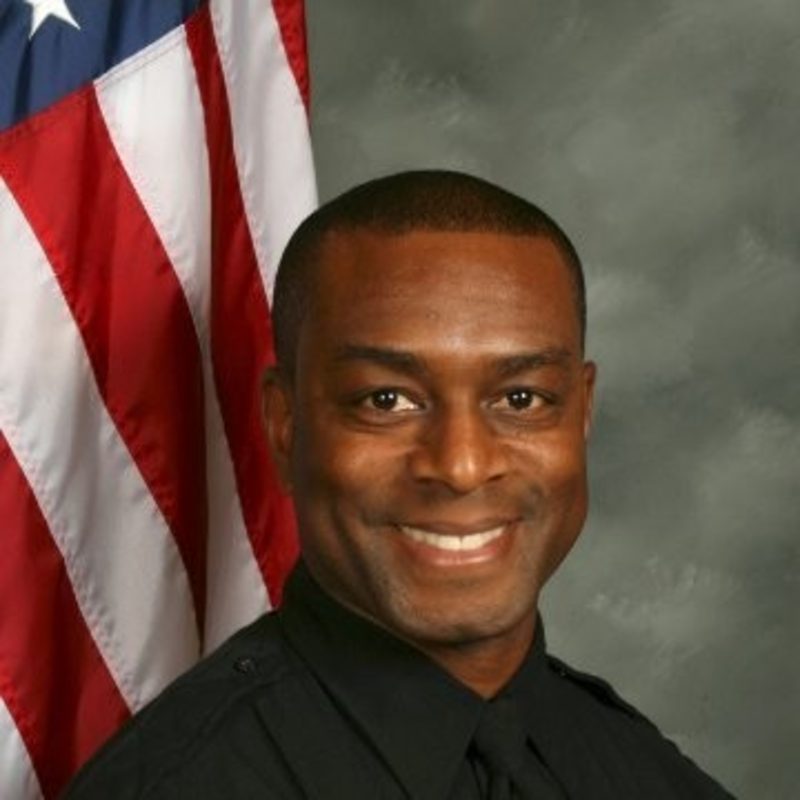
Orrlando Mayes built his career in law enforcement and public safety, rising into leadership roles focused on crisis response, counterterrorism, and keeping communities safe — proof that a career in public service can take you far beyond the patrol car. He holds a Master's in Organizational Leadership from Union Institute & University and brings that knowledge into the classroom as an instructor and mentor who helps the next generation of professionals find their footing in the field. If you're curious about law enforcement, homeland security, or leadership in public safety, Orrlando's path shows what's possible when you pair hands-on experience with a commitment to lifelong learning.
Their story
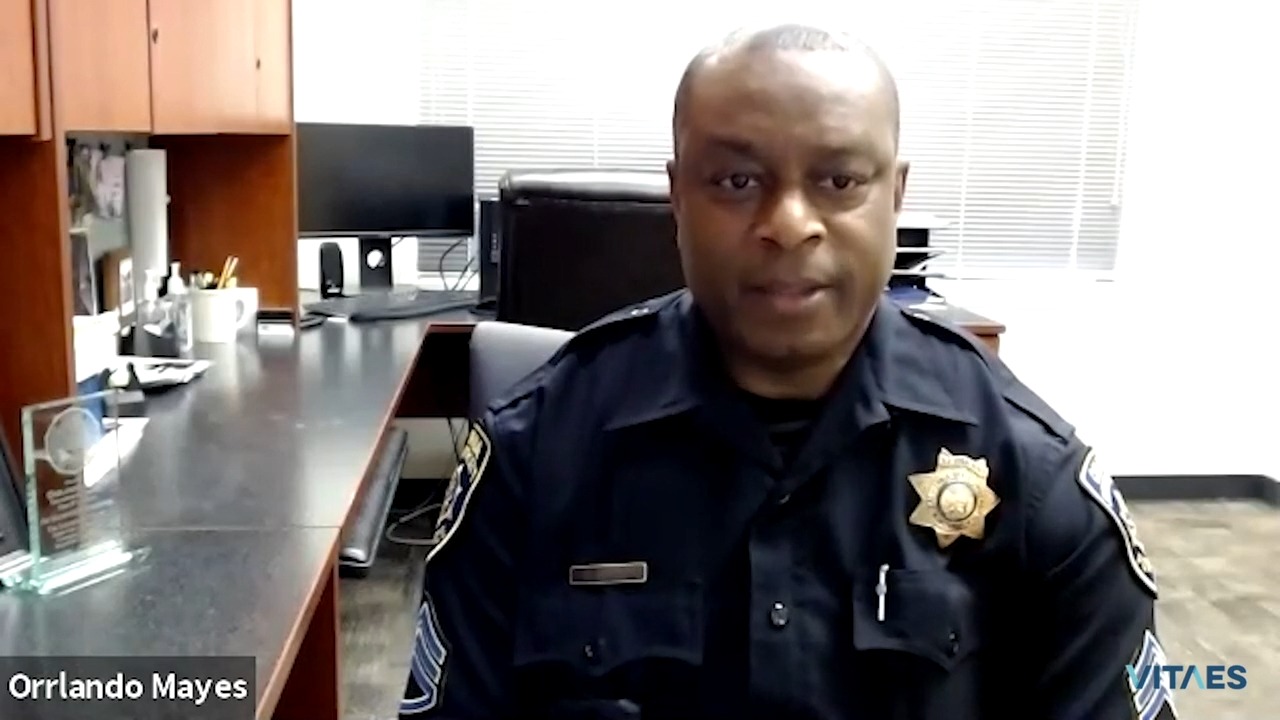
Law enforcement is full of career paths - University Police Sergeant
21 min
Watch the full story →
Watching requires a free Vitaes account.
Key quotes
“I would do this job for free if all my bills were paid. And that's how I felt about the career.”
Orrlando Mayes, Lieutenant (Ret.), Sacramento County Sheriff's Office
“Go for your dreams. Don't let anyone tell you what you can't do. Shoot for the moon and if you miss, you'll still be amongst the stars — but never quit following your dreams.”
Orrlando Mayes, Lieutenant (Ret.), Sacramento County Sheriff's Office
“It was really important for me not just to make the team, but to stay on the team — because you can get on a team, but to stay there and show that you belong there long term, that takes a lot.”
Orrlando Mayes, Lieutenant (Ret.), Sacramento County Sheriff's Office
“I wasn't going to let it change who I am. I was going to remain professional. I was still going to treat people right and I was going to win them over with doing the right thing.”
Orrlando Mayes, Lieutenant (Ret.), Sacramento County Sheriff's Office
“Whatever agency hired me, I was going to be loyal to that agency if they were a good agency — and that's where I was going to work my career.”
Orrlando Mayes, Lieutenant (Ret.), Sacramento County Sheriff's Office
Career highlights
Volunteer your way in when the door isn't open yet.
When no agencies were hiring, Orrlando took an unpaid reserve deputy position and logged over 2,000 volunteer hours. That experience locked in his passion and eventually led to a full-time offer.
Get your education even if it's not required — it separates you at promotion time.
The Sacramento County Sheriff's Office only required a high school diploma for entry-level. But when Orrlando went up for lieutenant, having a master's degree gave him a competitive edge over candidates who only had a bachelor's.
Do a ride-along before you commit — it'll tell you everything.
Orrlando says after his very first ride-along, he knew instantly this was the job for him. He encourages students to see the work up close before deciding, because some people go and realize it's not for them — and that's okay too.
Don't just get in the room — prove you belong there over time.
When Orrlando became the first Black officer on his agency's SWAT team, he heard comments that he was only chosen because of his race. His answer was to stay on that team for 14 years and two months.
Law enforcement is full of career paths you've probably never seen on TV — explore all of them.
Orrlando commanded seven specialized units including bomb squad, drone operations, mounted units, and hostage negotiators. He warns students that CSI and SWAT don't look anything like they do on television.
The pension and education incentives in law enforcement are real financial benefits worth researching.
Orrlando explains that his agency offered up to 20% education incentive on top of base salary, and that law enforcement retirement benefits beat most corporate plans. He says you won't get rich, but you'll live very comfortably.