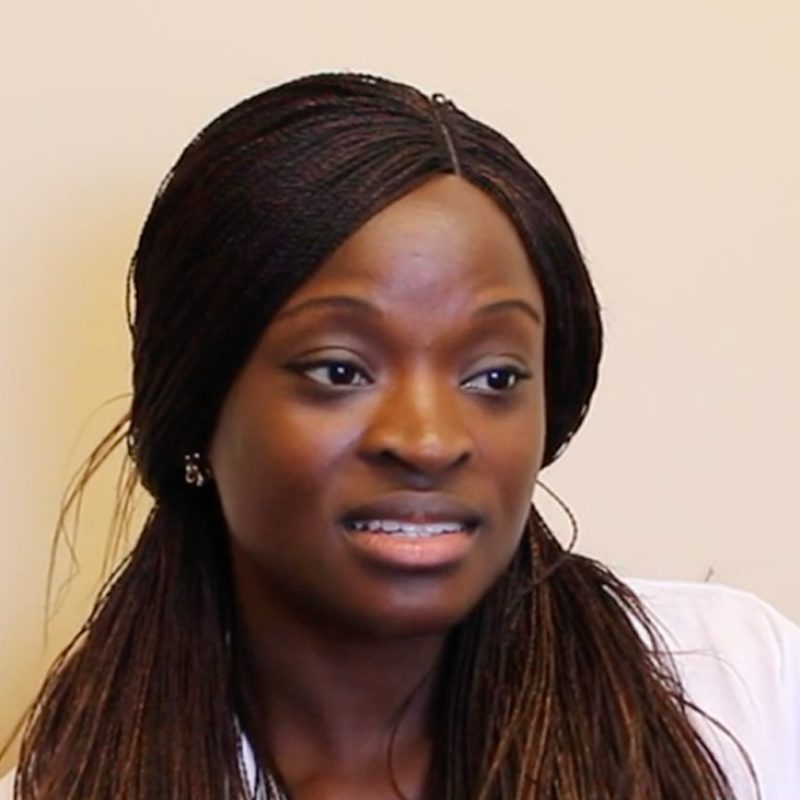
Dr. Notie Andrea Iyen Erhahon is a pediatric physician dedicated to improving the health and well-being of children and families through compassionate, patient-centered care. As a pediatrician, she works closely with children from infancy through adolescence, helping them navigate critical stages of growth, development, and overall health while supporting parents and caregivers along the way. Driven by a passion for service and a commitment to making a meaningful difference in the lives of others, Dr. Erhahon pursued a career in medicine that combines science, problem-solving, and human connection. After earning her medical degree from the American University of the Caribbean School of Medicine, she completed the extensive clinical training required to specialize in pediatrics, a field focused on the unique healthcare needs of children. Throughout her career, Dr. Erhahon has been committed to promoting preventive care, healthy development, and equitable access to healthcare. She believes that building trust with patients and families is essential to helping children thrive and achieve their full potential. Her work requires strong communication skills, empathy, critical thinking, and a dedication to lifelong learning as medical knowledge and treatments continue to evolve. Known for her caring approach and commitment to excellence, Dr. Erhahon is passionate about educating families, advocating for children's health, and helping young people build healthy foundations for the future. Her career serves as an example of how dedication, perseverance, and a desire to help others can lead to a rewarding and impactful profession in healthcare. Through her work as a pediatrician, Dr. Erhahon continues to make a lasting difference in the lives of children, families, and the communities she serves.
Their story
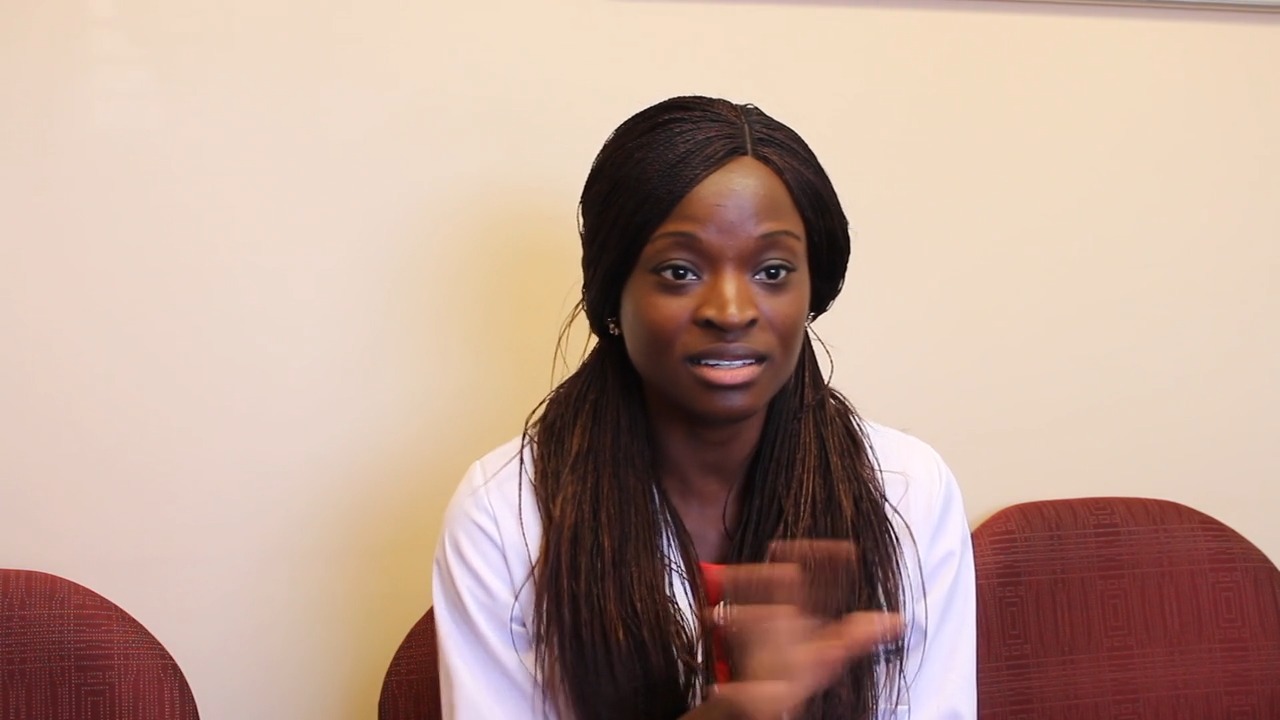
Find your Why to become a Pediatrician
20 min
Watch the full story →
Watching requires a free Vitaes account.
Key quotes
“If you make up your mind to do it, just do it. Because if you start to analyze like all the things that I have said and that you might come up against in your journey, there's a lot of reasons to say no. And there's a lot of reasons to be like, I don't want to do this, it's too much. But once you start, things just kind of work out for you.”
Dr. Notie Erhahon, Pediatrician
“I just always have a sense of wanting to serve, but I was more of the kind of person that wanted to go out there and get my hands dirty.”
Dr. Notie Erhahon, Pediatrician
“Combined you're looking at almost like a minimum like 400, $500,000. That's half a million dollars. That's all in student loans. It's a big number.”
Dr. Notie Erhahon, Pediatrician
“I love that I can see the satisfaction that they get when they leave the office because they come with a lot of concerns. And just seeing that I'm able to help them, able to address those concerns, I'm able to put them at rest — that just makes my day fulfilling.”
Dr. Notie Erhahon, Pediatrician
“You don't have to do like all science classes. I mean, I have friends that do art in undergraduate and then they apply to medical school. The prerequisites are that you would have to have a year of math, a year of English, a year of the sciences with lab work.”
Dr. Notie Erhahon, Pediatrician
Career highlights
You don't have to major in science to get into medical school — just complete the prerequisites.
Dr. Erhahon explains that medical schools require one year each of biology, chemistry, physics, and math with labs, plus the MCAT. Beyond that, you can study whatever you want — she even notes that art or English majors often have an advantage on the reading comprehension section of the MCAT.
Go in with your eyes open about student loan debt — it can be $400K–$500K, and that's a real decision to make.
She shares that she knows MDs who made their final loan payment close to retirement. She's not trying to scare anyone off, but she wants students to factor financial reality into their decision-making before committing to the path.
Find volunteer or hands-on experiences early — they can confirm your calling before you invest years of your life.
Dr. Erhahon traces her decision to become a pediatrician back to volunteering with the Nigerian Red Cross in high school, where she spent time with medical teams serving low-income communities. That experience made it real for her.
Soft skills — compassion, fast thinking, and communication — matter just as much as your medical knowledge.
She emphasizes that with only 15–20 minutes per patient visit, you have to be able to quickly assess, prioritize, and connect with both the child and the parent. Trust is the foundation of good pediatric care.
Use online communities and peer networks to support yourself through the journey — you don't have to figure it out alone.
Dr. Erhahon mentions resources like Student Doctor Network and physician student databases as places where people going through the same process share advice and encouragement.
Don't let analysis paralysis stop you — once you start and stay focused, things work out.
She directly tells students: 'If you make up your mind to do it, just do it. Because if you start to analyze all the things... there's a lot of reasons to say no.' Her message is that momentum and commitment matter more than having everything figured out upfront.