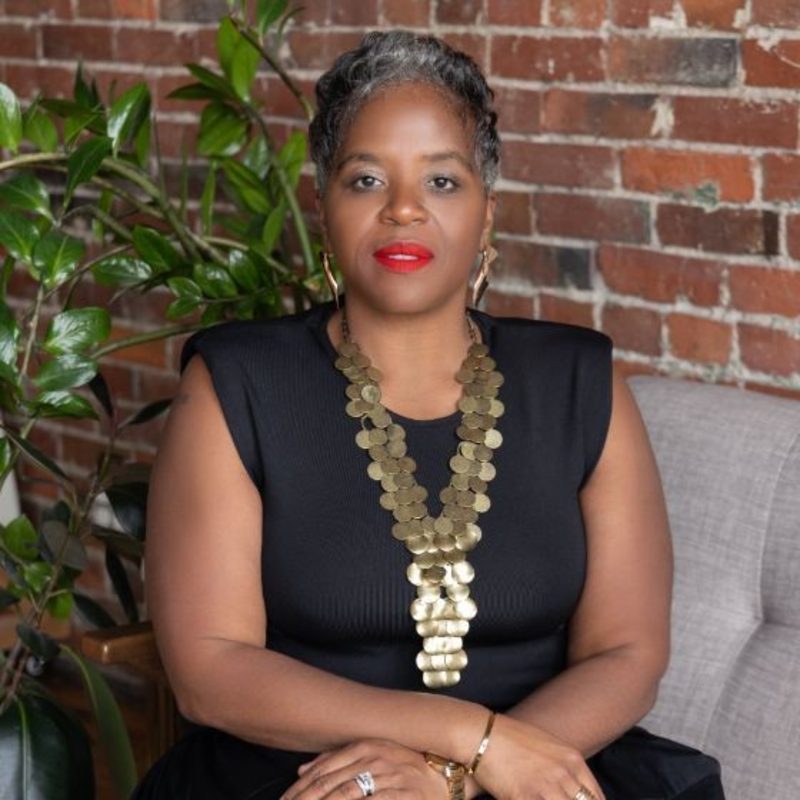
Nicole Bascomb-Green spent over 30 years turning a passion for financial empowerment into a career that spans banking, mortgage lending, and real estate — proving that you can build a meaningful path by staying rooted in your community. As Head of Community Lending at Umpqua Bank and Owner and Designated Broker of Bascomb Real Estate Group, she works every day to help underserved families access homeownership and build generational wealth. If you've ever wondered how finance, real estate, and community advocacy can come together in one career, Nicole's journey is a powerful example of exactly that.
Their story
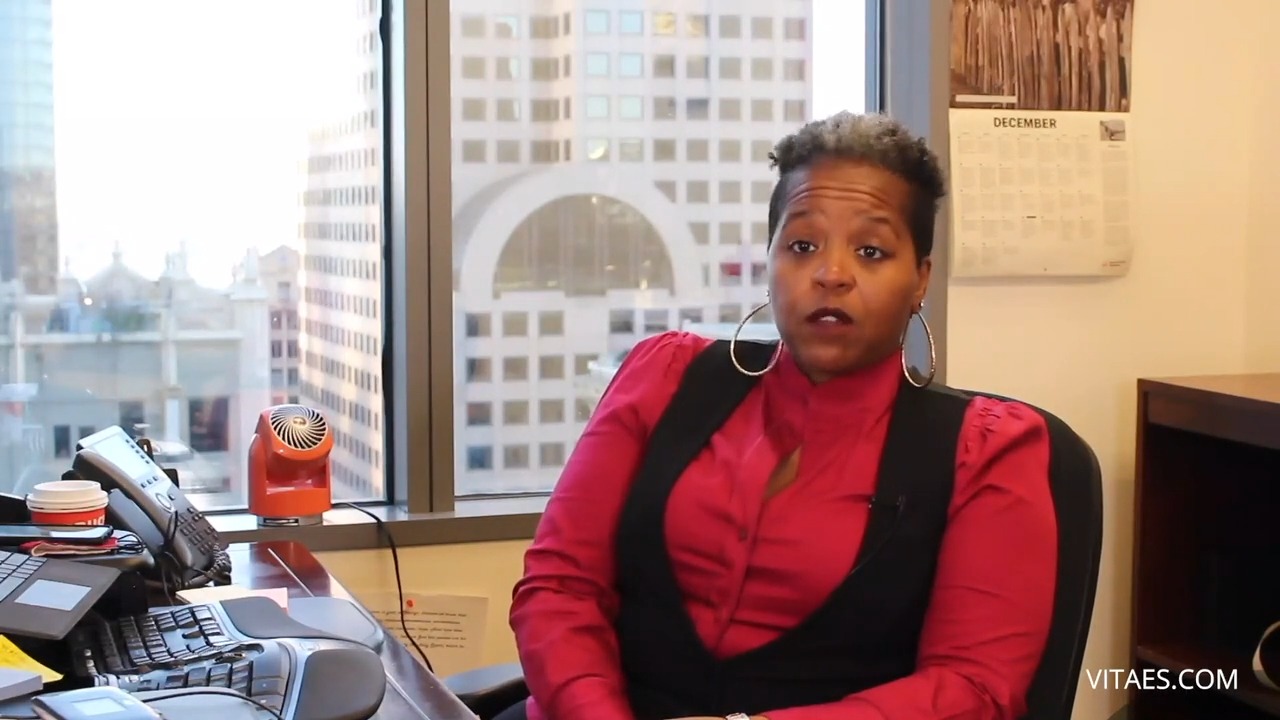
Corporate Social Responsibility (CSR) roles exist across many industries. Nicole Bascomb
18 min
Watch the full story →
Watching requires a free Vitaes account.
Key quotes
“I don't even really consider it a job. It's very much my career because I can affect communities, specifically the community that I belong to.”
Nicole Bascomb Green
“I was always the best performer. My reviews would always be great. But I could never get promoted. I could never get promoted.”
Nicole Bascomb Green
“As black women, we had to be educated if we wanted to make it. And so I did that.”
Nicole Bascomb Green
“I don't live in fear anymore. So I stand in my truth at all times. I'm authentic at all times.”
Nicole Bascomb Green
“Banking is not just linear at all. There's so many different aspects, and I think that people don't really give banking a shot because they just think branch life.”
Nicole Bascomb Green
Career highlights
Starting in a bank branch is actually a smart move — you learn the whole business from the ground up.
Nicole says roles like CRA manager require a banking background, and starting as a teller or personal banker gives you foundational knowledge that makes every next step easier.
Research the leadership of any company before you accept a role — culture starts at the top.
After landing in too many uncomfortable workplaces, Nicole learned to look at how leaders speak publicly and how the business is run before joining. She says it made all the difference.
If something at work feels racially discriminatory, document it and escalate it — don't just absorb it.
Nicole was almost written up based on one coworker's lie while a white colleague doing actual wrong got a slap on the wrist. She pushed back, ran it up the chain, and the issue was dropped.
An MBA or business degree isn't required for every banking role, but it genuinely lowers your learning curve and opens lateral doors.
Nicole has colleagues without advanced degrees, but she credits her MBA for making transitions across departments and levels much smoother throughout her career.
Corporate Social Responsibility (CSR) roles exist across many industries — not just banking — and are a real pathway if you want to do community-facing work.
Nicole explains that while CRA is specific to banks, CSR roles exist broadly and can be a career home for people who want to connect business with community impact.
Find the student support programs designed specifically for students of color at your college — they can change your trajectory.
Nicole wasted almost a year at UW with bad counseling until she found a program focused on students of color. One focused counselor helped her finish in a quarter and a half.