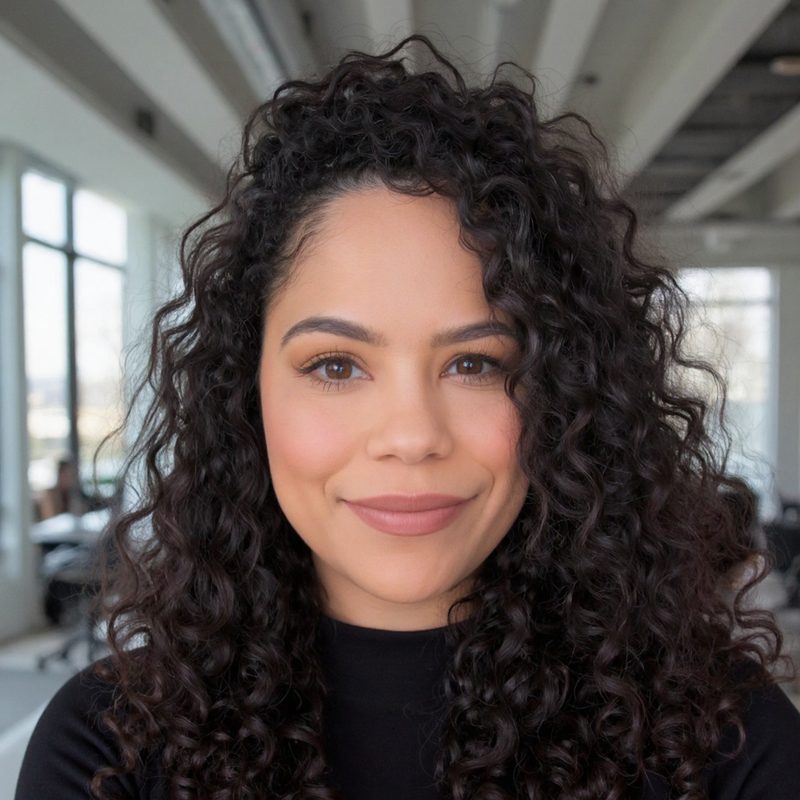
Monique Nichols is a product leader at Microsoft, where she helps shape OneNote — a platform used by millions of people worldwide — by turning complex technical challenges into simple, meaningful experiences for everyday users. She built her career at the intersection of technology, user experience, and product innovation, proving that curiosity and a passion for solving real problems can open doors in the tech industry. A Purdue University graduate, Monique is passionate about showing the next generation that there is a place for them in product management and tech leadership.
Their story
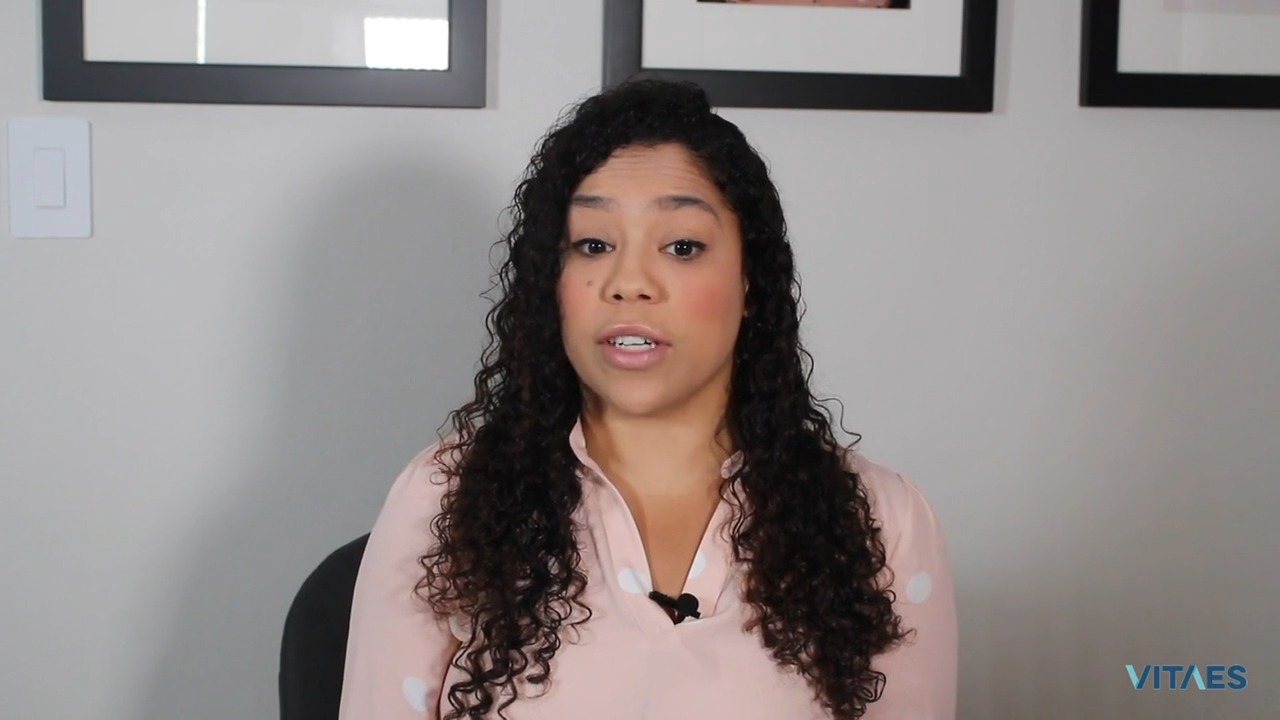
Program Mgr. MICROSOFT. Don't give up, be tenacious, If it's for you, it wont miss you.
17 min
Watch the full story →
Watching requires a free Vitaes account.
Key quotes
“If it's for you, it won't miss you. Just keep running at it with all you got and you'll be successful on the other side.”
Monique Nichols, Program Manager at Microsoft
“I wasn't willing to accept no. And I just kept knocking on doors.”
Monique Nichols, Program Manager at Microsoft
“My goal is that, yeah, it was this hard for me, but I hope I can make it easier for you.”
Monique Nichols, Program Manager at Microsoft
“Instead of teaching them coping strategies, which you see a lot, maybe try and correct the situation for them if you have the influence to do that.”
Monique Nichols, Program Manager at Microsoft
“You'd be surprised when you tell someone what you're trying to accomplish, how many people they know that can help you get there.”
Monique Nichols, Program Manager at Microsoft
Career highlights
You don't need a tech degree — or even a bachelor's degree — to break into product management at a major tech company.
Monique has a degree in Women and Gender Sexuality Studies and says many of her friends without college degrees hold the same type of role she does at Microsoft. She says the minimum is a high school diploma and a genuine passion for technology.
Getting rejected doesn't mean it's over. Keep going back.
Monique was waitlisted the first time she applied to the Microsoft LEAP program and rejected outright the second time. She applied a third time, gave it everything she had, and got in. She spent two full years trying to break into tech before landing her role.
Make your unrelated experience feel relevant by translating it — don't hide it.
After running a trucking company for two years post-college, Monique had to figure out how to show that entrepreneurship and business ownership actually mapped to what tech companies were looking for in a PM.
Negotiate your salary before you accept the offer — not after you've already started.
Monique breaks down total comp at Microsoft (base salary, stock, signing bonus, relocation) and specifically calls the signing bonus the most negotiable part. She says trying to negotiate once you're inside the company is much harder.
If you see something biased in a job posting or interview process, speak up — and as you grow, fix it for the people coming behind you.
Monique talks about how language like 'rockstar' in job postings discourages women from applying, and how questions like 'explain an API to your mother' carry implicit gender bias. She encourages students not just to cope with these things but to correct them when they have influence.
Look up the Microsoft LEAP program — it's specifically designed for people from non-traditional backgrounds who want to break into tech.
This is the program Monique used to get her foot in the door at Microsoft. It gave her a structured path in without a traditional CS background.