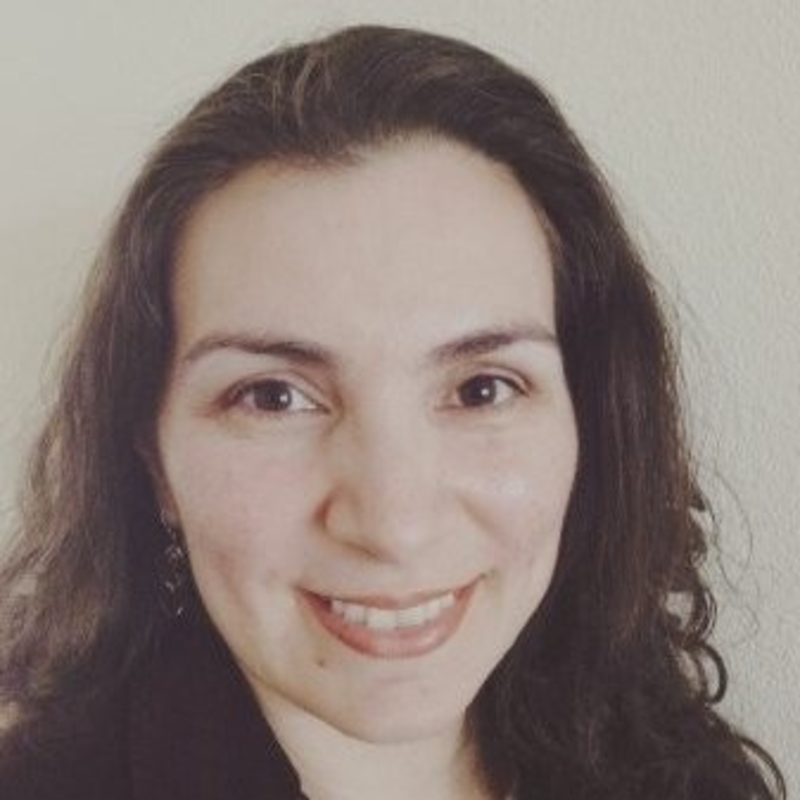
Monica Serrano is a pharmacist at Sea Mar Community Health Center, where she works directly with patients and healthcare teams to make sure people get safe, effective, and equitable access to the medications and care they need. She earned her degree from the University of California, San Francisco, and has built her career around serving diverse communities — helping patients understand their health, navigate complex decisions, and feel respected every step of the way. If you're interested in a healthcare career where you can make a real difference in your community, Monica's path shows how combining education with a commitment to service can lead to meaningful, people-centered work.
Their story
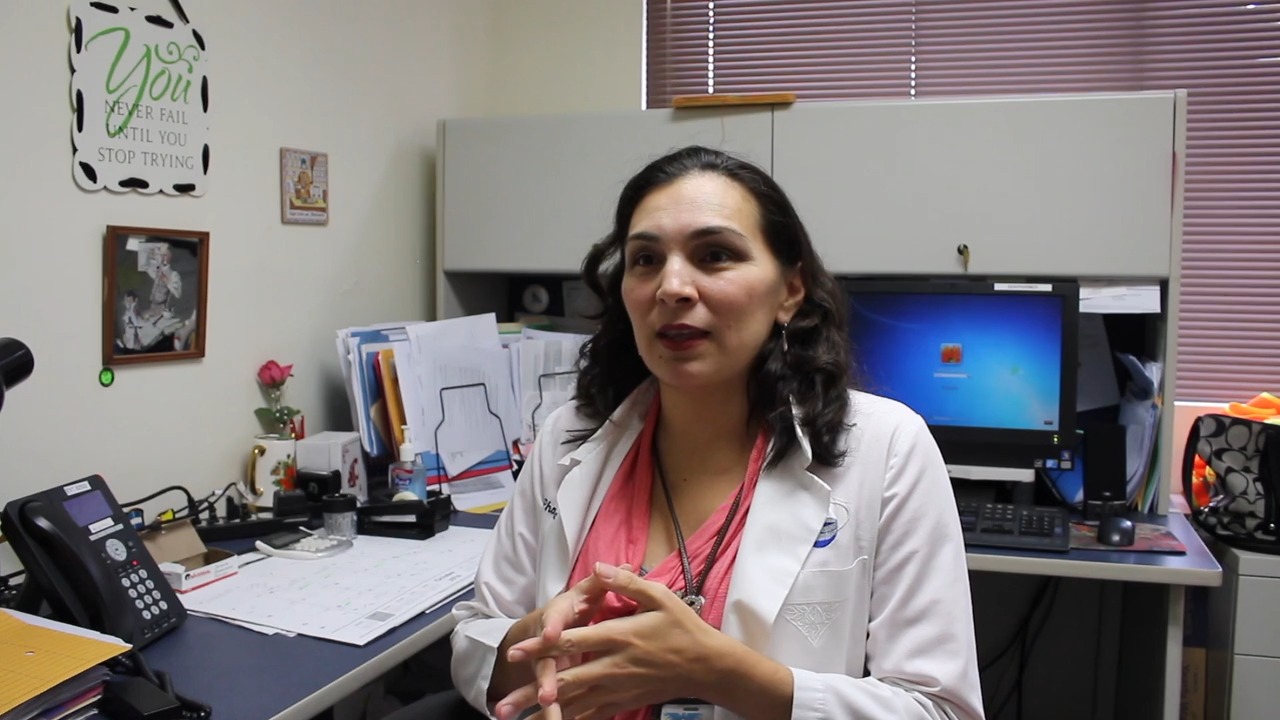
Saving Lives One Prescription at a Time
16 min
Watch the full story →
Watching requires a free Vitaes account.
Key quotes
“We need a lot more diverse pharmacists out there. Different languages, different interests, and I think different people that are very interested so that they can push the field forward.”
Monica Serrano
“I knew I wanted to be able to give back, in a way, to the community that I came from.”
Monica Serrano
“I didn't want the same struggles that I saw my parents and my grandparents go through. So I really wanted to go to college so that I would be more successful.”
Monica Serrano
“There is the specialist in medications, which is the pharmacist — and it's another option that people sometimes don't think about because they only think physician.”
Monica Serrano
“They see us every month so we can form a relationship with them.”
Monica Serrano
Career highlights
Shadow pharmacists in different settings before committing to one path — retail, hospital, and clinic pharmacy feel very different day to day.
Monica went into pharmacy school thinking she wanted hospital pharmacy, but discovered clinical pharmacy during school and found it was a much better fit for her.
Your language skills are a professional superpower — use them.
Monica specifically sought out a residency program and clinical setting where she could serve Spanish-speaking patients directly, without relying on an interpreter.
It's okay to go into college undeclared — explore, take aptitude tests, and talk to people actually working in fields you're curious about.
Monica started undeclared, majored in Applied Ecology, and worked in human resources at a hospital before realizing pharmacy was the right path.
Pharmacy is a real alternative to medicine if you love science and helping people but don't want the pressure of being a doctor.
Monica was interested in medicine but felt intimidated by the expectations placed on physicians. Pharmacy gave her the clinical work she wanted with a different kind of responsibility.
Be detail-oriented — in pharmacy, catching a small mistake can literally save someone's life.
Monica explains that hospital pharmacists calculate IV doses and nutrition bags, where errors can be life-threatening. Attention to detail isn't optional in this field.
Know that the field needs you — diverse pharmacists who speak different languages and reflect different communities are in demand.
Monica closes by directly saying the field needs more diverse pharmacists to push it forward and better serve patients.