Serving with a focus on the Northwest region of Washington State in English and Spanish, including tribal health entities, health systems and the local health jurisdictions in the counties of Clallam, Island, Jefferson, San Juan, Skagit, Snohomish and Whatcom. Supporting the provision of equitable, high quality HIV/STI testing, treatment, care, prevention and support services to all people and their partners.
Their story
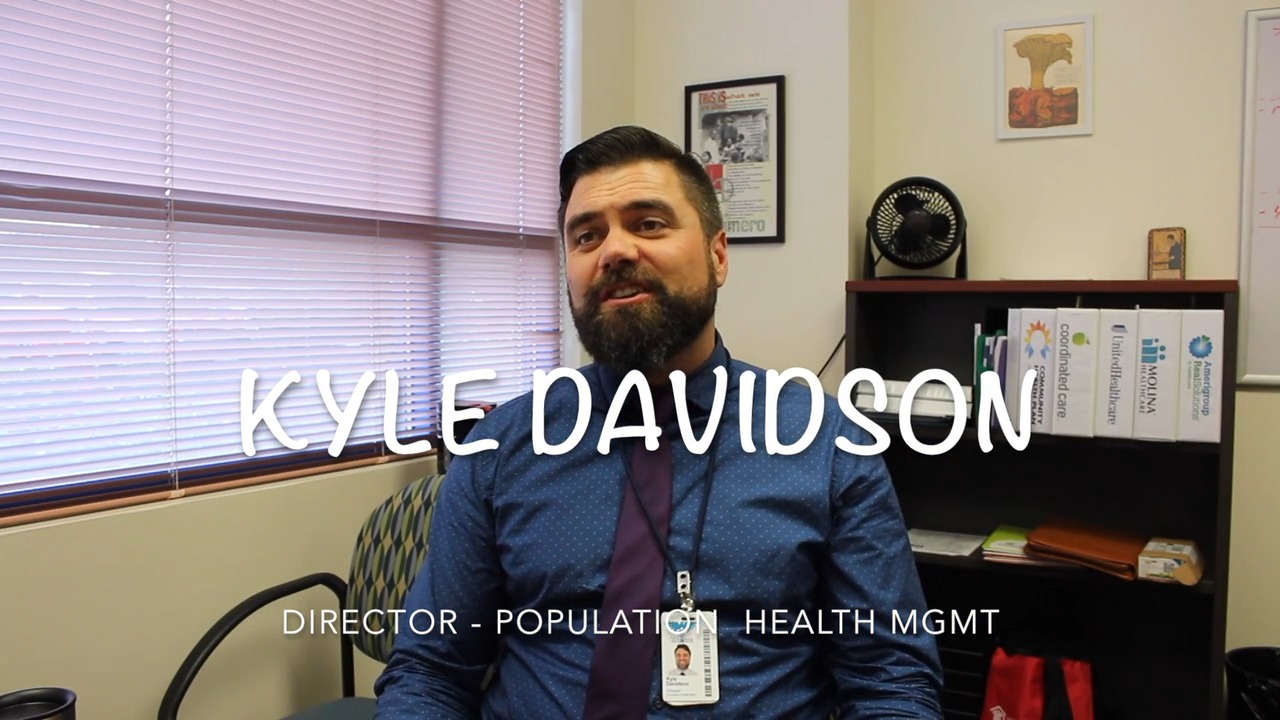
How multilingual skills translate into multiple careers
21 min
Watch the full story →
Watching requires a free Vitaes account.
Key quotes
“The difference between equality and equity. Equality is same outcomes for everybody. Equity is same opportunity for everybody to have a positive outcome. And I'm a big believer in equity.”
Kyle Davidson, Director of Population Health Management
“My language — I was fearful that I was going to lose this Spanish. I came back from Mexico and I could speak fluent Spanish, man. It was like it was great. And it has been the key to my entire career.”
Kyle Davidson, Director of Population Health Management
“When you speak two languages, you really get to be two people. If you develop a level of fluency, you'll find yourself in another language — it's like you get to enter another body and be a different person.”
Kyle Davidson, Director of Population Health Management
“Have a lot of patience with yourself. I think we have kind of a now culture right now. Giving yourself the patience that some of your interests are going to change over time — that's really important.”
Kyle Davidson, Director of Population Health Management
“I really feel working at a community health center that I get to be a part of helping people in a way that they wouldn't receive otherwise in a more equal and just society. And that's very, very important to me.”
Kyle Davidson, Director of Population Health Management
Career highlights
Do informational interviews — reach out to people working in careers you're curious about and ask for just a few minutes of their time.
Kyle says he called three or four people at CMAR before he ever applied, and credits this habit with helping him land roles throughout his career. He says most people actually enjoy being asked about their work.
A second language can be the key that opens doors others can't walk through.
Kyle's fluency in Spanish got him hired into HIV/AIDS services when he had almost no formal social work experience. It narrowed the field of candidates dramatically and gave hiring managers a reason to take a chance on him.
Be patient with yourself — your interests will evolve, and you don't have to have it all figured out right now.
Kyle reflects on what he calls a 'now culture' and the anxiety younger people feel about rushing career decisions. He reminds students that early jobs don't have to be forever jobs — they just need to move you in the right general direction.
Know when to go back to school — but make it a strategic decision, not a default one.
After 10 years in direct service work, Kyle recognized that without a graduate degree, his path to leadership would stall. He went back for his MPH with a clear purpose and came out ready to step into management roles.
Relationships are currency — how you treat people, even on your worst days, builds or breaks your professional reputation.
Kyle talks about the underrated skill of being cordial, using please and thank you, and making sure people around you always know you value the relationship even when you disagree. He says this is one of the most important things for long-term career success.
Take care of yourself physically and mentally — burnout is real, and sustainability matters in mission-driven work.
Kyle is candid about the emotional weight of working in healthcare for underserved communities. He talks about exercise, self-awareness, and staying in community as non-negotiables that make showing up every day possible.