← All contributors
Jeff Hayes

Public health

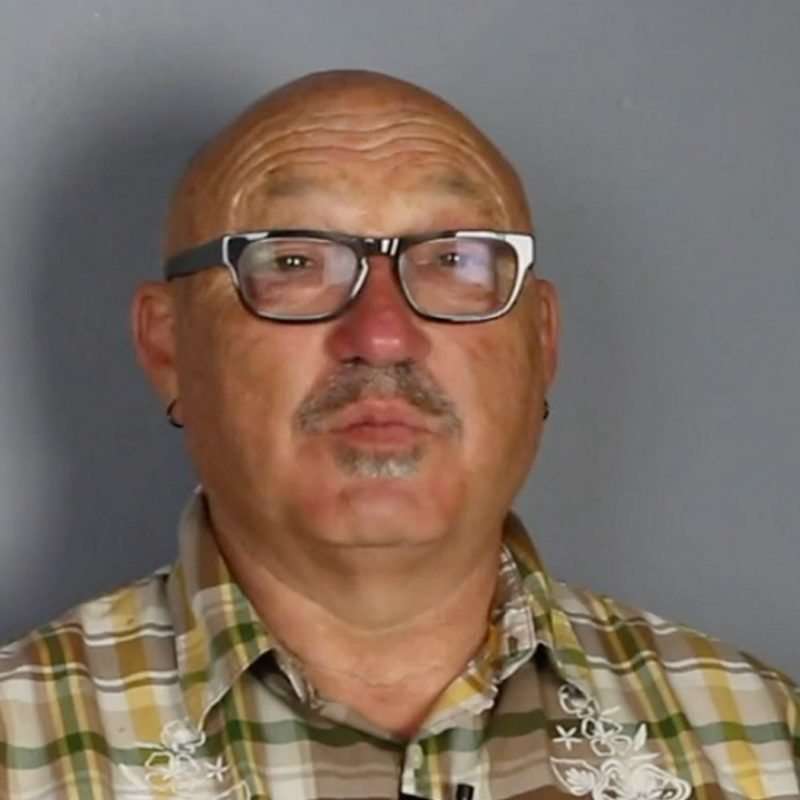
Jeff Hayes(he/him)

Fire Captain · Seattle Fire Department

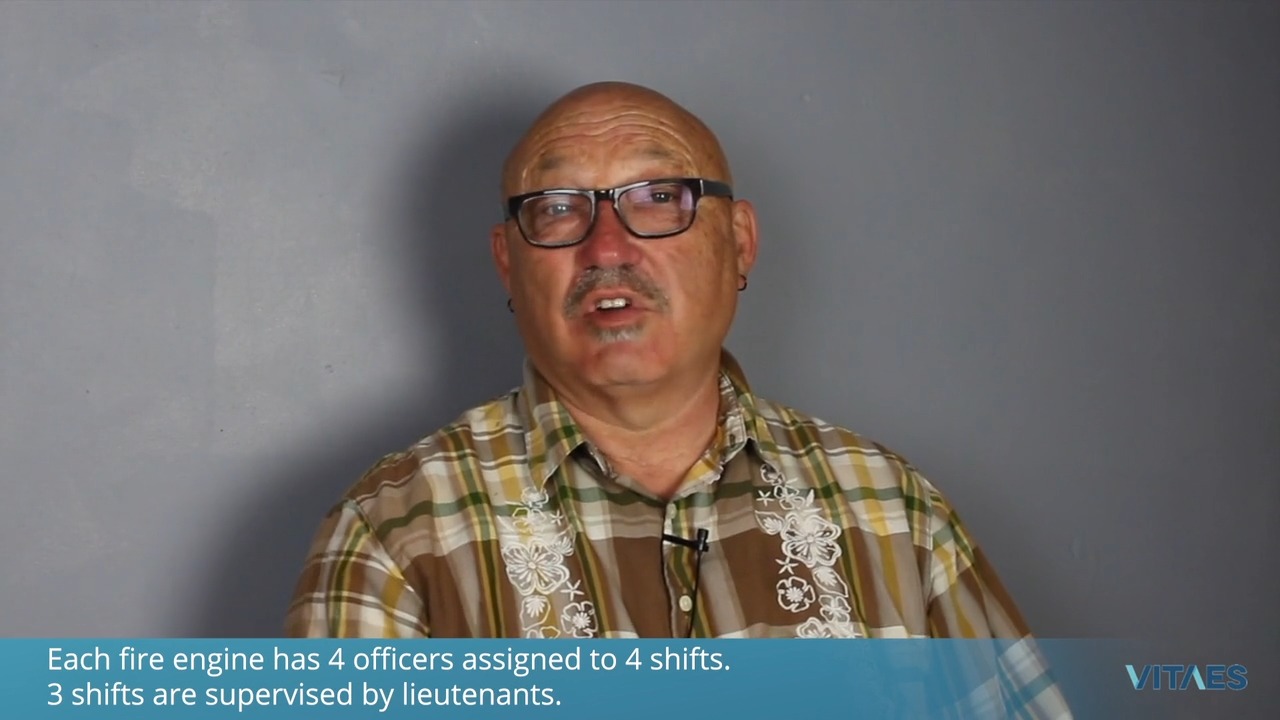
Their story

I was singularly focued on getting a Firefighting job - Seattle Fire Captain

17 min

Watch the full story →

Watching requires a free Vitaes account.

Key quotes

That bell hits and you go there and you make it better. And when you leave, it's better than it was when you got there. And it all happens in a short period of time. It's very rewarding.

Jeff Hayes, Fire Captain

I was the first one took the vocational school route. I was singularly focused on getting a firefighter job.

Jeff Hayes, Fire Captain

Each one I took, I finished higher on the list. Each test I took was getting me closer to being a professional firefighter. So I never got discouraged.

Jeff Hayes, Fire Captain

You have to want to do the job. All that other stuff is nice, but that will come along after you master the job.

Jeff Hayes, Fire Captain

Being a firefighter requires somebody who doesn't want to come in and do the same thing every day.

Jeff Hayes, Fire Captain

Career highlights

Vocational school and community college certifications can launch a serious career — a four-year degree is not the only path.

Jeff attended a vocational fire service program at Bates Vocat-Tech and got his EMT cert at Green River Community College, which was enough to start his 32-year career.

Keep taking the test even when you don't place where you want — each attempt builds your skill and moves you closer to the job.

Jeff took 25 entry-level fire department exams over about two and a half years before landing his first job. He took the Seattle exam alone three times.

Don't be afraid to use career assessment tools — sometimes you find your path by exploring what fits you, not what you already know.

A 500-question computer career test at a community college is what first suggested firefighting to Jeff. He had never considered it before that moment.

Once you're in, keep growing — take every opportunity your department offers, even if it's not required.

Jeff became a dispatcher, a paramedic, a lieutenant, and a captain during his career. He says it was important to take advantage of every opportunity available to him.

The fire service has structured, civilian-run hiring designed to remove favoritism — your effort and scores matter more than who you know.

Jeff explains that Seattle's Civil Service Commission is run by civilians specifically to eliminate nepotism and favoritism in the hiring process.

You have to genuinely want to do the job — passion for the work itself has to come before the paycheck, the uniform, or the respect.

Jeff closes by saying the most important thing he tells young people considering firefighting is that you have to want to do the job first. Everything else follows.

Student summary
Jeff Hayes spent 32 years with the Seattle Fire Department, retiring as a Fire Captain at 53. He didn't grow up with a clear career plan — in fact, he stumbled into firefighting after a computer career test at a community college spit out 'forest ranger' and 'firefighter' as matches. Before that, he was working a desk job at Boeing as a draftsman and hating every minute of it. His path to firefighting wasn't a straight line either: it took him about two and a half years and 25 different entry-level exams before he landed his first job. That persistence paid off in a major way. Jeff's story is especially relevant if you come from a family where college wasn't the default path. Neither of his parents nor grandparents went to college, and he was the first in his family to figure out a career beyond high school. He took the vocational school route — attending Bates Vocat-Tech for fire service training and getting his EMT certification at a community college — and built an entire career from there. He eventually became a dispatcher, a paramedic, a lieutenant, and finally a captain supervising crews across multiple shifts. His story is proof that there's more than one road to a stable, meaningful career. As a captain, Jeff earned around $150,000 in his final year, with full medical and dental benefits and a pension. But what he keeps coming back to isn't the money — it's the work itself. He talks about how rewarding it feels to show up when someone is having the worst moment of their life and actually make things better before you leave. He also gets real about the hard parts: seeing kids get hurt, managing the emotional weight of the job, and needing to talk it out with your crew when things get heavy. For students of color specifically, Jeff's message about the Seattle Fire Department's Civil Service Commission is worth paying attention to. The hiring process is run by civilians, separate from the department, specifically to cut out favoritism and nepotism. That kind of structured, merit-based hiring can be a real advantage for people who don't have insider connections. Jeff also emphasizes that the fire station is a place where you have to get along with all kinds of people and focus on the work — not on differences in background, religion, or beliefs. If you're someone who hates the idea of sitting at a desk, wants to be part of a tight team, and finds meaning in helping people in real and immediate ways, Jeff's career story is worth taking seriously. He's honest that the job isn't for everyone, but for the right person, it offers a rare combination of purpose, stability, and variety that's hard to find anywhere else.