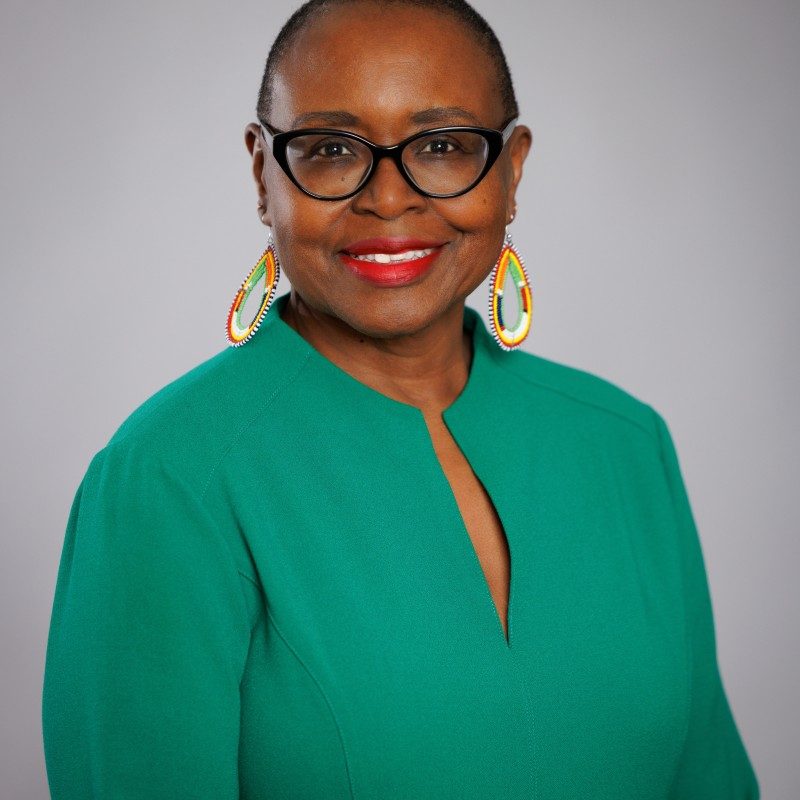
As an Associate Professor of Management at Villanova University's School of Business, she built her career around a question many students of color already live: how do race and gender shape the way people experience work and build their professional identities? Drawing on her doctorate in Organizational Behavior from the University of Maryland, she uses her research and teaching to help people understand the systems around them and find their own power within those systems. Whether she's leading courses on race, justice, and leadership or publishing findings on how marginalized workers navigate unfair workplaces, her work is driven by a belief that education should prepare you to make the world of work more equitable for everyone.
Their story
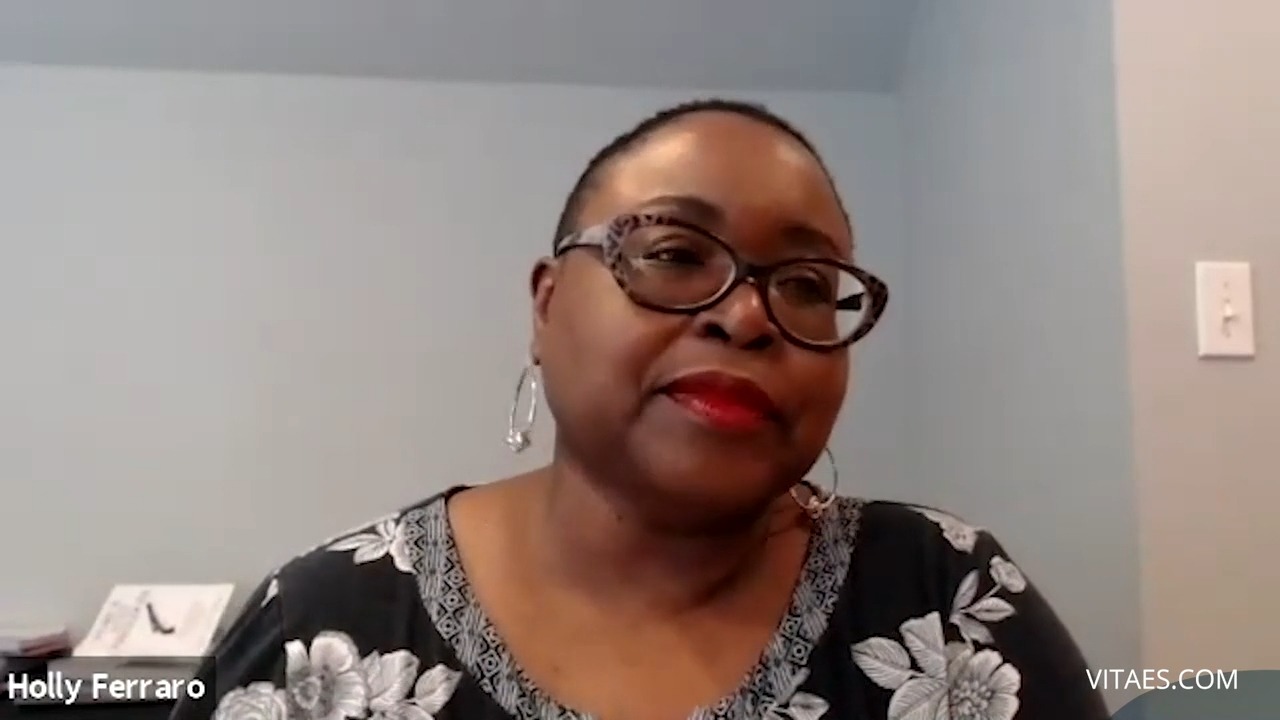
Academia can be a financially solid career
17 min
Watch the full story →
Watching requires a free Vitaes account.
Key quotes
“I get paid to learn. I spend so much time reading and writing and talking to people about what they do at work and collecting data. I love it. That is my favorite part of the job.”
Holly Slay Ferraro, Associate Professor
“He said something like, don't worry about it, you're not going to be successful. People like you are never successful here.”
Holly Slay Ferraro, Associate Professor
“The discrimination really can mess with your mind and mess with your feelings of whether or not you belong there. And it kind of reverses the responsibility.”
Holly Slay Ferraro, Associate Professor
“What I would tell my 20 year old self today is you should have asked him what do you mean by that? And made him verbalize that so that we could really have a conversation.”
Holly Slay Ferraro, Associate Professor
“Who you're going to be when you're 30 may not even exist right now. So don't overthink the 18 year old decision.”
Holly Slay Ferraro, Associate Professor
Career highlights
Curiosity is your most important career skill — build it by studying what genuinely interests you.
Holly says good professors are defined by their love of learning, and encourages students to keep exploring whatever they're curious about, whether that's literature, philosophy, engineering, or math.
When someone says something that feels discriminatory, ask them to explain what they mean — out loud.
Holly shares how a professor told her 'people like you don't succeed here' and she froze. Looking back, she wishes she had pushed him to verbalize it, so the responsibility stayed with him instead of turning inward on her.
Academia can be a financially solid career — and there are real ways to supplement your income on the side.
Holly notes that professor salaries range from roughly $80K to $150K, with Ivy League faculty earning significantly more, plus opportunities to earn honorariums from companies seeking your expertise.
Your career path will probably not look like what you planned at 18 — and that's genuinely okay.
Holly went from healthcare administration to engineering to HR to academia. She points out that many jobs that exist now didn't exist when she was starting out, so staying flexible and curious matters more than locking in a plan.
Getting real-world experience before or during graduate school makes you a much stronger professor and researcher.
Holly worked as a plant engineer, quality assurance manager, and HR manager before entering academia. She says that industry experience directly shaped what she teaches and how she connects with students and companies like Microsoft.
Don't let ambiguous discrimination make you question your own intelligence — that's exactly how it's designed to work.
Holly describes how the most damaging discrimination isn't always explicit. When it's vague, it shifts the psychological burden onto you, making you wonder if you're smart or hard-working enough rather than recognizing the bias for what it is.