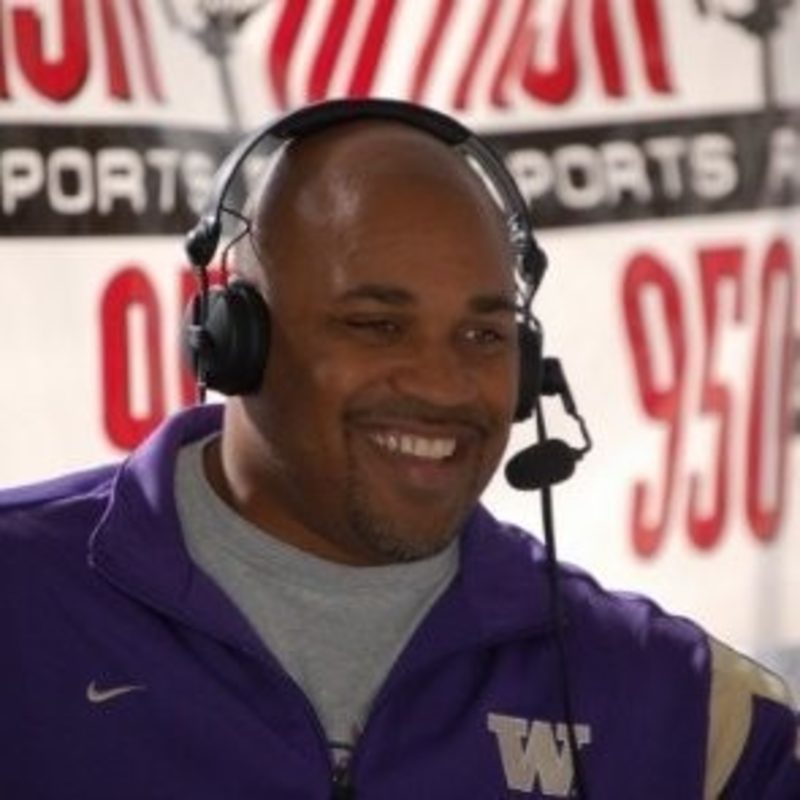
Greg Lewis went from starring as a running back at the University of Washington — where he won the first-ever Doak Walker Award as the nation's top college running back — to building a career helping organizations raise money, build partnerships, and grow their impact. After playing professional football, he channeled the discipline and teamwork he learned on the field into fundraising leadership, donor engagement, and community development. Greg's journey shows how the skills you build in one arena can open doors you never expected — and he's passionate about helping the next generation find their own path forward.
Their story
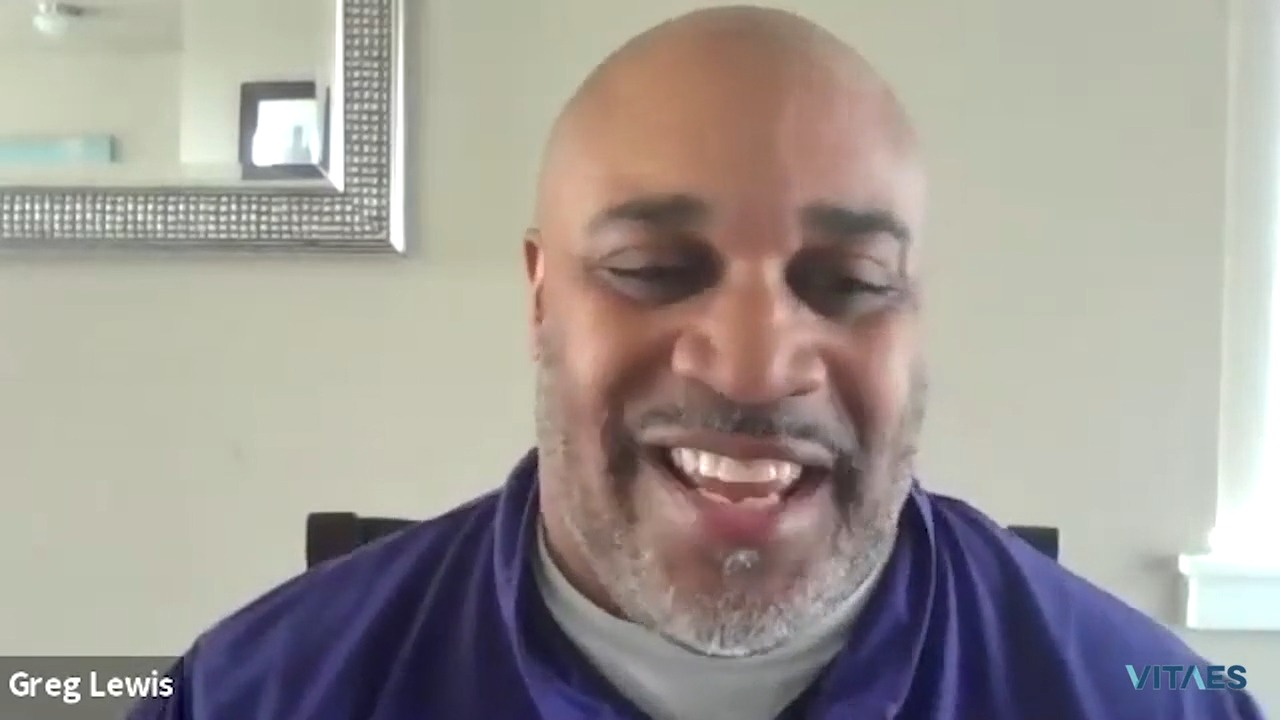
"Playing in the NFL was my dream. I made it happen"
19 min
Watch the full story →
Watching requires a free Vitaes account.
Key quotes
“If you're going to end up at a destination, you got to first kind of plan where you want to go, create a map to get there. Because if you just get in the car and start driving, you might end up anywhere.”
Greg Lewis, Executive Director, YMCA of Greater Seattle
“The only way you're successful is that it comes out of a place of sincerity. I'm authentically concerned about the betterment of other folks.”
Greg Lewis, Executive Director, YMCA of Greater Seattle
“When you're the only one who looks like you, it's hard for people to say, we're going to have this person who looks different than everybody else be the one to lead them.”
Greg Lewis, Executive Director, YMCA of Greater Seattle
“This work is meaningful and it can change the trajectory of an individual person's life or a community's life. And having the opportunity to do that is something that I really, really love.”
Greg Lewis, Executive Director, YMCA of Greater Seattle
“Remove the obstacles and then know that sometimes you get detoured. You can always get back on track. Get back on your journey.”
Greg Lewis, Executive Director, YMCA of Greater Seattle
Career highlights
Build a roadmap for your goals — don't just start driving and hope you end up somewhere good.
Greg describes how, at age 8, he reverse-engineered his path to the NFL by asking his teammate's dad how players got there, then worked backward to figure out what he needed to do in school.
Every job can prepare you for the next one — treat career 'detours' as skill-building, not setbacks.
Greg moved from football to financial services to mortgages to university fundraising to the Boys and Girls Club before landing at the YMCA. He credits each role with giving him skills he uses daily as an executive director.
Relationship-building is a real, learnable career skill — and authenticity is what makes it work.
Greg says a huge part of his job is connecting with donors, partners, and board members, and that the only way it works is if the sincerity is real: 'It comes out of a place of sincerity. I'm authentically concerned about the betterment of other folks.'
Nonprofit leadership pays real money — don't count it out because you think it won't pay the bills.
Greg is upfront that you won't get rich in nonprofit work, but also shares that YMCA executive directors earn $110K–$125K a year, and there are clear pathways from entry-level roles to C-suite positions within the organization.
Being 'the only one' in a room is a real barrier — name it, understand it, and don't let it stop you.
Greg observed that talented Black colleagues in the mortgage industry never got promoted to leadership because they were the only person of color at their branch, and others couldn't picture them leading a team that didn't look like them.
Your background and identity can open doors — use your story as a bridge, not a barrier.
Greg shares that his history as a University of Washington football player gives him immediate credibility when walking into donor meetings, buying him the chance to sit down and have a real conversation.