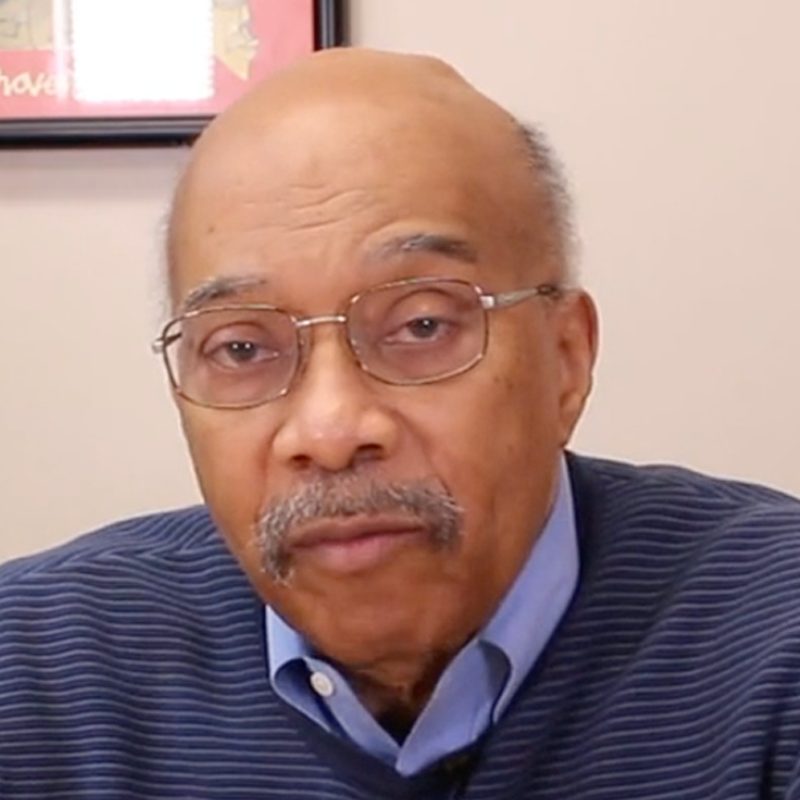
George Stewart has built a career leading teams, growing organizations, and creating partnerships across both business and nonprofit spaces — proving that strategic thinking and genuine care for people can go hand in hand. He has spent years mentoring emerging leaders and giving back to his community, so he understands firsthand how much access and guidance can change someone's trajectory. If you're figuring out how to turn big-picture thinking into a real career, George's path shows you don't have to choose between ambition and purpose.
Their story
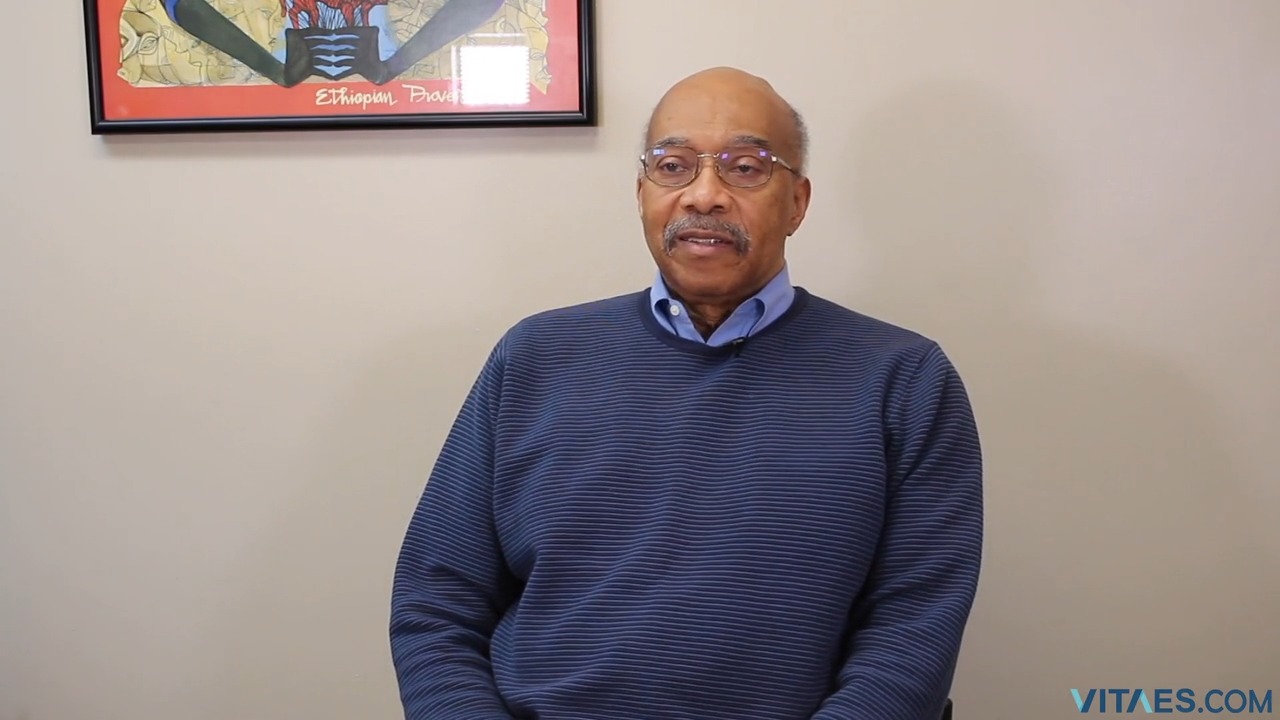
Relationships are the engine of any business - Certfied Public Accountant
12 min
Watch the full story →
Watching requires a free Vitaes account.
Key quotes
“People don't ask who's a good accountant, they ask who do you do business with? And so the rapport and developing the relationships was key to growing the business.”
George Stewart, CPA & Firm Owner
“I'd set a personal goal of owning my own business and I was able to be a practitioner for 28 years.”
George Stewart, CPA & Firm Owner
“You're not using a lot of mathematical formulas. You're looking at the logic, the relationships between the numbers and how they fit together.”
George Stewart, CPA & Firm Owner
“If you're going to be successful, you don't worry about the situations where things didn't come your way. You focus in on the things that will allow you to develop.”
George Stewart, CPA & Firm Owner
“When I finally went back and finished that MBA program then it was a question of okay, what do you do next? And at the time I thought what I always really wanted to do was have my own accounting firm.”
George Stewart, CPA & Firm Owner
Career highlights
Your early jobs teach you more than you realize — even if they seem unrelated to your goal.
George started in banking as a management trainee. Years later, that experience helped him land an audit contract with a bank during just his second year in business.
It's okay to finish a degree on a nontraditional timeline — what matters is that you finish.
George left his MBA program for 11 years and returned needing only five classes. Finishing it gave him the confidence to finally launch his own accounting firm.
Relationships are the engine of any business — people hire who they trust, not just who is most qualified.
George said clients don't ask 'who's a good accountant?' — they ask 'who do you do business with?' Building rapport was central to how he grew his practice.
When you face discrimination, document it, find allies, and keep moving — don't let it define your whole story.
A competitor tried to pull four of his clients by talking them out of working with him. George got a local politician to write letters of support, and the competitor backed off.
Know what you're actually interested in before choosing a career path — curiosity will carry you further than prestige.
George chose accounting not for status but because he genuinely liked how numbers relate to each other. He said that interest is what makes someone effective in the field.
Owning a solo practice is real and financially viable — but go in with clear expectations about income and workload.
George shared that most sole practitioners gross between $300,000–$500,000, with net income around 30–40% of that — concrete numbers most students never hear.