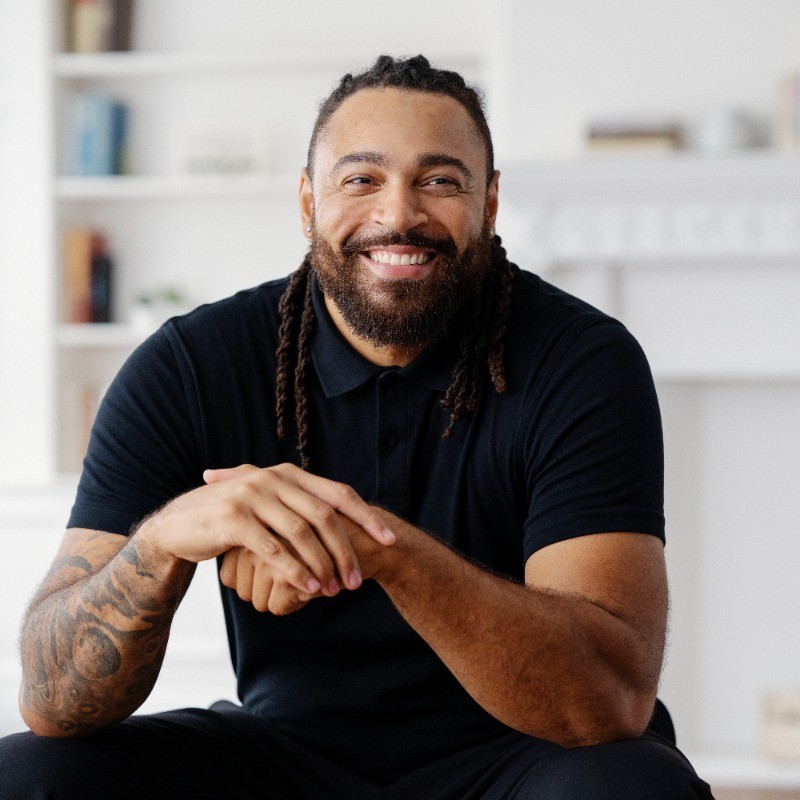
Garry Gilliam Jr. knows what it means to bet on yourself when the odds aren't in your favor — he went undrafted out of Penn State, switched positions in his final college season, and still earned a spot in the NFL with the Seattle Seahawks and San Francisco 49ers. His journey started early, leaving home at eight years old to attend Milton Hershey School, where he leaned on academics and athletics to push through the hard moments. Today, Garry gives back by mentoring young athletes, championing health and nutrition, and showing students that there's more than one road to a career you're proud of.
Their story
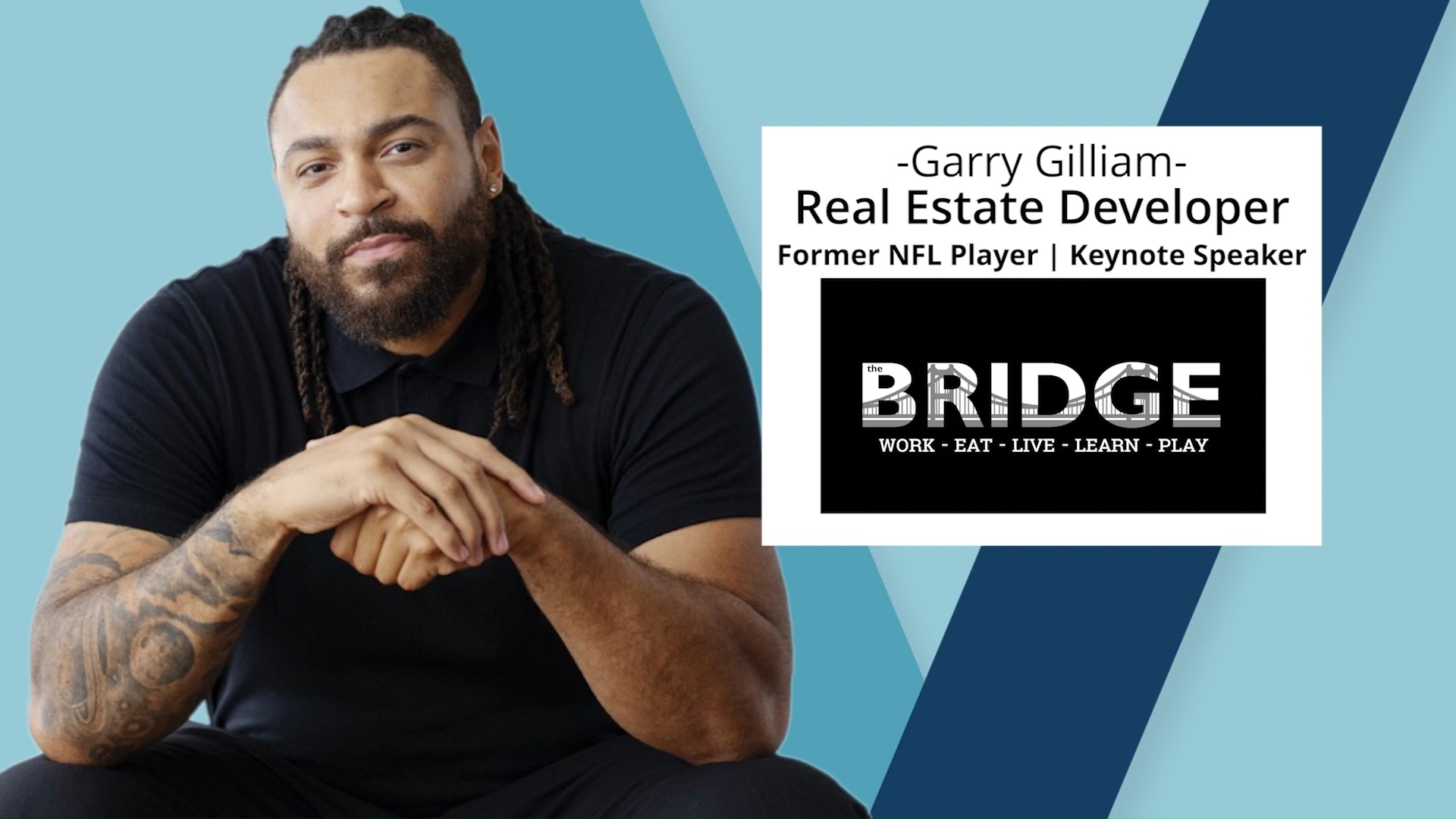
NFL Star becomes Eco Real Estate Developer
24 min
Watch the full story →
Watching requires a free Vitaes account.
Key quotes
“I think if you stop learning, you stop living. So I think everybody should look for things they don't know and find ways to answer questions — stay curious at the end of the day.”
Garry Gilliam Jr., Founder/CEO, The Bridge Eco-Village
“Share your scars. From scars to stars — turn your test into a testimony. People will pay you to hear that. Upwards of 10, 20, $30,000 to come talk for 45 minutes about the hard life you had.”
Garry Gilliam Jr., Founder/CEO, The Bridge Eco-Village
“I know that I'm not the best yet, but I know if I do this today, I'll be a little bit better tomorrow. If I keep doing that, stay consistent, at some point I'm going to catch the person that's in front of me.”
Garry Gilliam Jr., Founder/CEO, The Bridge Eco-Village
“You want to hear that? Sources and uses. That's very important. You should know the sources and uses of your own income for your household and where it's going and how much you can save.”
Garry Gilliam Jr., Founder/CEO, The Bridge Eco-Village
“What am I doing? Nipsey was investing in his community, doing everything. And I had all these resources. That question — what am I doing — made everything come together.”
Garry Gilliam Jr., Founder/CEO, The Bridge Eco-Village
Career highlights
Find a developer (or anyone ahead of you in your field) and offer to intern for free to learn the ropes before you take on financial risk yourself.
Garry said he wished he had interned with an experienced developer first. He's done it with University of Washington business students and says it accelerates learning without the financial danger.
Learn the financial language of your industry — terms like IRR, debt service coverage ratio, and sources vs. uses are the vocabulary of power in real estate and business.
Garry calls finance the 'biggest thing' in real estate development and says understanding where money comes from and where it goes applies even to managing your own household budget.
When you don't have experience, partner with someone who does — even if it means giving up some equity or paying a fee. Getting in the game is worth the cost.
As a first-time commercial developer, Garry couldn't get bank loans without a track record, so he found experienced developers to partner with and gave up some equity to clear that hurdle.
Your 'soft' skills from sports, community, or other life experiences are genuinely transferable — don't underestimate them in professional settings.
Garry mapped football roles directly onto his development team: special teams = grant writers, architects = defense, engineers = offense. He says these parallels made him a better leader and collaborator.
Public speaking is one of the lowest-barrier, highest-impact careers available — especially if you've lived through hard things. Learn to package and share your story.
Garry says people will pay $10,000–$30,000 to hear someone speak for 45 minutes about real, lived struggle. He calls it 'turning your test into a testimony' and describes it as both therapy and service.
Stay curious and never stop learning — read, listen to podcasts, take certifications, and dig into things you don't know yet.
Garry calls himself 'a nerd trapped in an athlete's body.' He got real estate development certifications through the University of Washington and says if you stop learning, you stop living.