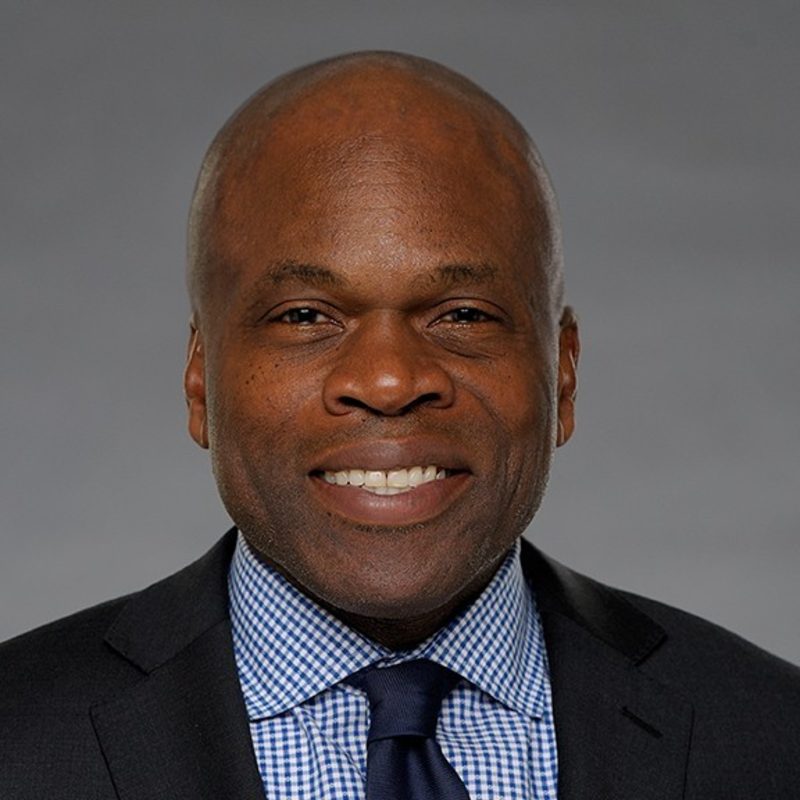
Dwight Prevo built his career at the intersection of community, government, and business — starting in public service as an Economic Development Specialist for the City of Seattle before spending nearly two decades at Wells Fargo growing into a Vice President in Commercial Banking. He holds a Master's in Public Affairs from the University of Oregon and a doctorate from the University of Southern California, proof that investing in your education can open doors across multiple sectors. If you're interested in finance, economic development, or using a corporate career to create real community impact, Dwight's journey shows there's more than one road to get there.
Their story
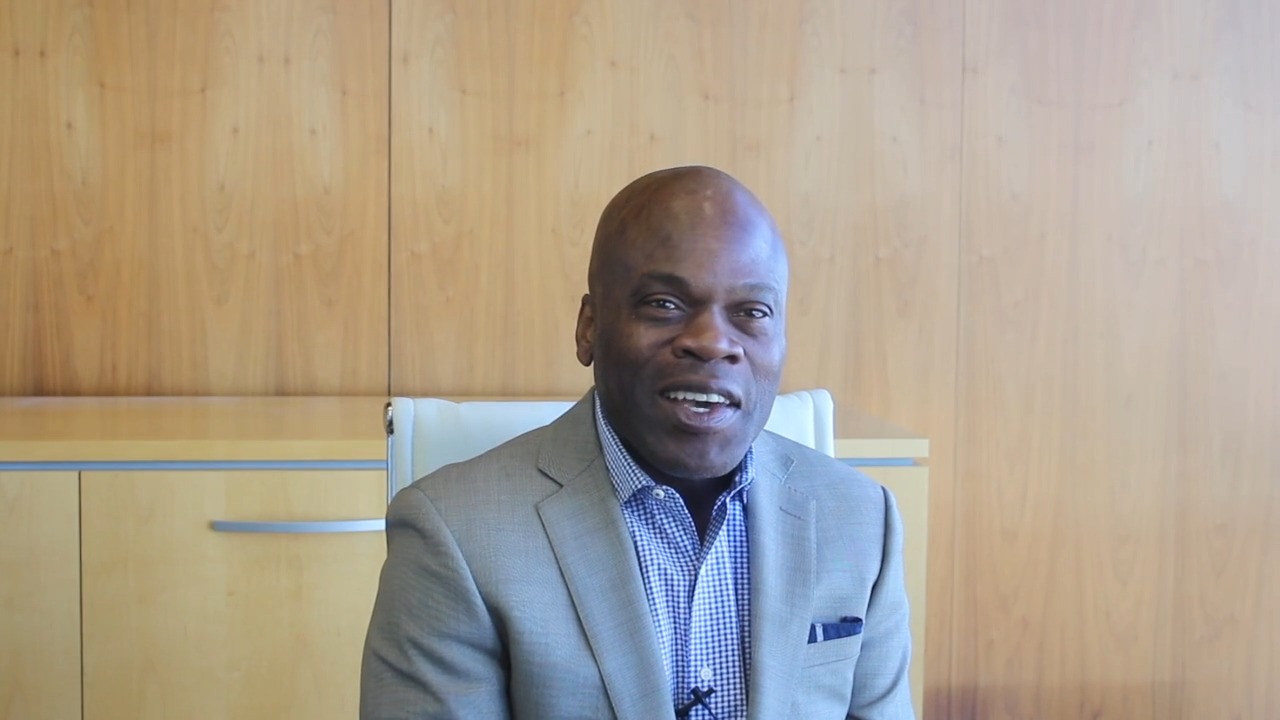
Community Relations VP Well Fargo. "You Don't Need All the Answers"
14 min
Watch the full story →
Watching requires a free Vitaes account.
Key quotes
“I always wanted a career that encompassed experience at the non profit level, at the government level and at the for profit world.”
Dwight Prevo, Senior Community Relations Consultant at Wells Fargo
“In New York City, I really came to understand what wealth and poverty is all about.”
Dwight Prevo, Senior Community Relations Consultant at Wells Fargo
“Just reach out to people who are in the position and engage them in conversation. That's what networking and relationship building is all about.”
Dwight Prevo, Senior Community Relations Consultant at Wells Fargo
“Critical thinking means you hear a piece of information and you take it in. But you kind of ask yourself, who's saying this and why are they saying it?”
Dwight Prevo, Senior Community Relations Consultant at Wells Fargo
“I pursued a professional doctorate just to prove that I had the intellectual capacity to do it. Once I started, I wanted to finish.”
Dwight Prevo, Senior Community Relations Consultant at Wells Fargo
Career highlights
Your career path doesn't have to be linear — follow opportunities, even unexpected ones.
Dwight went from film production in NYC to the mailroom at Citibank to graduate school to city government before landing at Wells Fargo. Each step taught him something new.
Networking in real life — not just online — is one of the most powerful tools you have.
Dwight credits the people he met, including an economics professor and internship contacts, for opening nearly every major door in his career. He actively sends his own sons out to have those conversations.
A liberal arts or public policy degree can absolutely lead to a well-paying career in finance and community development.
Dwight studied political science and economics as an undergrad, then focused on public policy and economic development in grad school. He said the field values critical thinkers, not just technical specialists.
Pay attention to how wealth and power actually work — those observations can shape your purpose.
Working in Citibank's private banking mailroom showed Dwight firsthand how wealth concentrated among a narrow group. That experience informed his commitment to community economic development.
If you want to create real community impact, consider roles that connect corporate resources to nonprofits and underserved communities.
Dwight's role at Wells Fargo directs millions of dollars toward affordable housing, small business lending, and environmental projects in low-income communities — all from inside a Fortune 500 bank.
Critical thinking — asking who is saying something and why — is the most valuable skill college can give you.
Dwight said college's real gift isn't just the degree, it's learning to evaluate information, spot bias, and think independently.