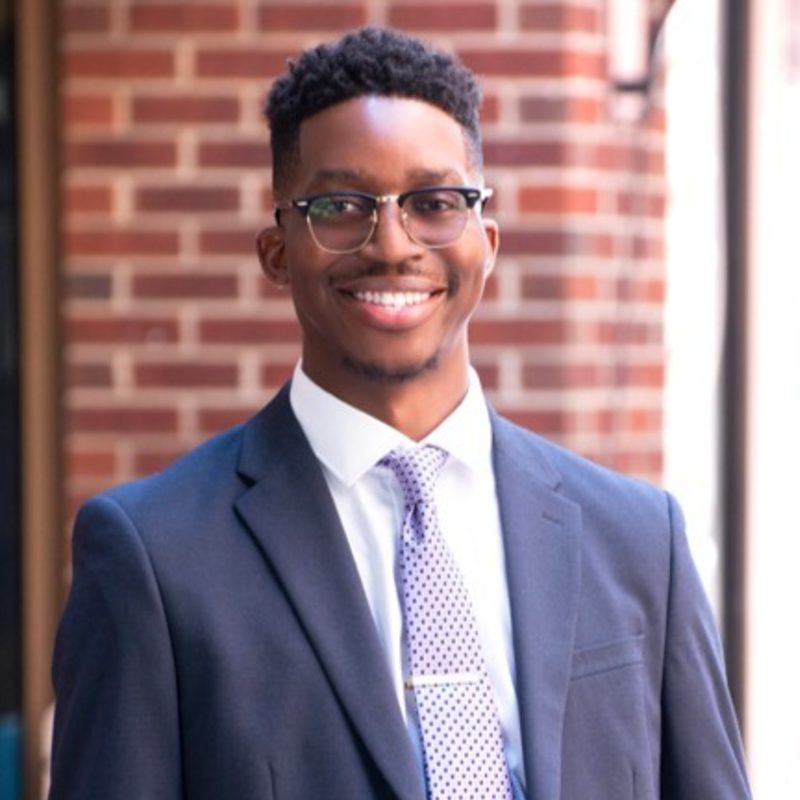
Chizom J. Okebugwu is a Medical Malpractice Defense Attorney at Bolin Law Group in Tampa, Florida, where she has spent eight years building her skills and confidence in the courtroom. She earned her law degree from Stetson University College of Law and now works on complex cases at the intersection of healthcare and the legal system. Her journey shows that with the right environment and persistence, you can grow into a legal career that is both challenging and deeply rewarding.
Their story
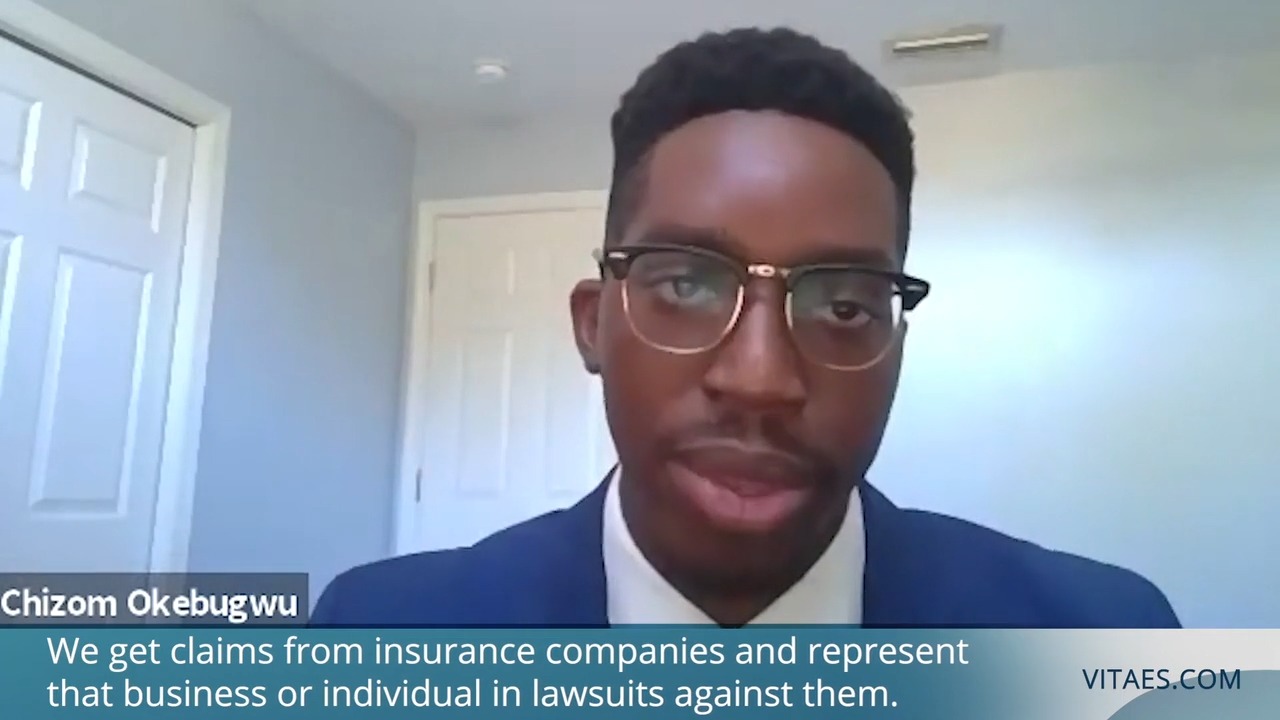
Study what Interests you. You don't have to major in pre-law or political science to get into law school.
19 min
Watch the full story →
Watching requires a free Vitaes account.
Key quotes
“No day is ever boring, you know, when you're meeting new people.”
Chizom Okebugwu, Medical Malpractice Defense Attorney
“I didn't know what insurance defense was before I interviewed. You can be criminal defense, you can do family law, you know, you can do estate law — there's so many different types.”
Chizom Okebugwu, Medical Malpractice Defense Attorney
“Imposter syndrome — basically feeling like you're not qualified to be in the space that you're in. And I know it's a syndrome. It's not like it's something that is true, but it is something that could creep in every now and then, you know, if I let it.”
Chizom Okebugwu, Medical Malpractice Defense Attorney
“Please do not hang yourself on doing pre-law or political science. You really can do whatever you're into, whatever you're interested in — really pursue that.”
Chizom Okebugwu, Medical Malpractice Defense Attorney
“No job is going to ask you how many times you took the bar before you passed. They're only going to care about — are you a licensed attorney, are you a good fit for our firm or for this job?”
Chizom Okebugwu, Medical Malpractice Defense Attorney
Career highlights
You don't have to major in pre-law or political science to get into law school — study what actually interests you.
Chizom says she did the pre-law track because she thought she had to, but later learned law schools welcome applicants from any major, including engineering and English.
Say yes to opportunities even when you don't fully understand them yet — that's often how you find your niche.
Chizom had never heard of insurance defense law before her friend called about a job opening. She Googled it after hanging up, interviewed, and got the job — launching her entire career.
Networking starts earlier than you think — treat every connection, even in high school, as a potential career bridge.
Chizom emphasizes that the person who eventually got her her job was a friend she already knew. Relationships you build now can open doors years later.
Imposter syndrome is real, but it is not the truth — name it, and don't let it keep you out of rooms you've earned.
Chizom describes often being the only Black person in courtroom settings and acknowledges imposter syndrome creeping in, while also being clear that the feeling doesn't reflect her actual qualifications.
A law degree doesn't lock you into practicing law — 'JD advantage' jobs in business, policy, and other fields value your legal training too.
Chizom mentions that even in law school she wasn't sure she wanted to practice, and highlights that many people use their JD in non-practicing roles where legal knowledge is a distinct asset.
No one will ask how many times you took the bar exam — what matters is that you passed and that you do good work.
Chizom closes with this reassurance to take the pressure off students who feel like every stumble is permanent. Employers care about your license and your fit, not your test history.