
Chimaera grew up a shy, introverted kid in Tacoma's Hilltop neighborhood before landing a spot at a liberal arts high school in Seattle — an opportunity that changed the trajectory of their life. That experience sparked a career in youth organizing and advocacy, where they went on to lead anti-racism workshops in Seattle Public Schools, develop youth programs rooted in healing and intersectionality, and consult with organizations on racial equity, trauma-informed care, and creative facilitation. Today, Chimaera works with Powerful Voices to build brave, affirming spaces for BIPOC girls and gender-expansive young people — proving that quiet dreamers can grow into powerful advocates for their communities.
Their story
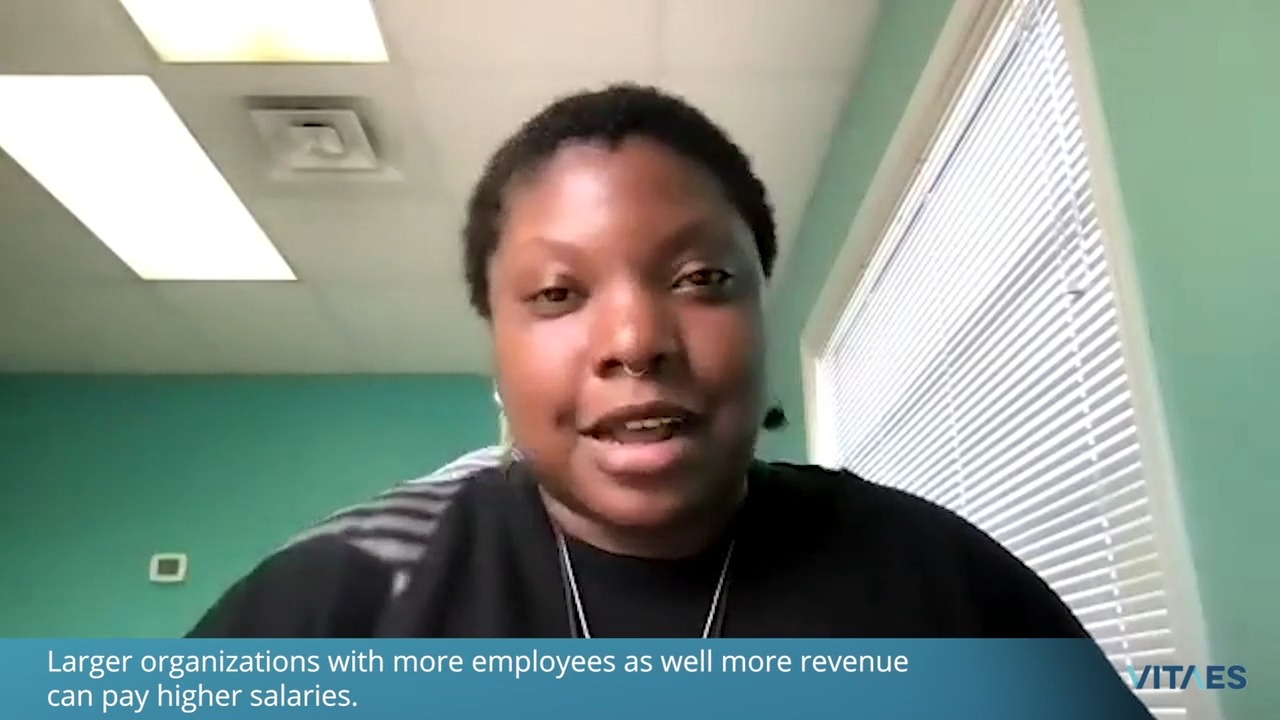
"Know your 'why' before the hard days hit" Non Profit Director
17 min
Watch the full story →
Watching requires a free Vitaes account.
Key quotes
“Start with what you're really, really, really passionate about. Because like any job, there's going to be days where it's going to feel hard and you have to fall back on the thing that really brought you to this work in the first place.”
Chimaera, Executive Director, Powerful Voices
“The best education is lived experience to start. If you have a personal connection to the work that you're doing, that's going to inform a lot of how you approach the way that you lead.”
Chimaera, Executive Director, Powerful Voices
“It's taken over two decades for me to get here. And a lot of that has to do with people making assumptions about what I am or am not capable of based off of just first impression, based off my appearance, based off of my resume.”
Chimaera, Executive Director, Powerful Voices
“I see it more as a public service as opposed to just a job. If I wanted just a job, I could be doing anything else. But really I want to be part of something that's bigger than myself.”
Chimaera, Executive Director, Powerful Voices
“For the first time, adults were asking me my opinion about things. And that was — it really spoke to me because I wanted to see myself as a leader.”
Chimaera, Executive Director, Powerful Voices
Career highlights
Don't skip direct-service experience before moving into leadership.
Chimaera says it's important to actually work in the roles you'll eventually supervise — running programs, doing direct service — so you truly understand what support your staff needs when you're the one in charge.
A four-year degree isn't the only path — lived experience and continuing education count.
Chimaera encourages students to consider auditing classes in financial management or board governance, and to recognize that personal connection to the community and hands-on work experience are legitimate qualifications.
Know your 'why' before the hard days hit.
Chimaera is honest that nonprofit work includes a lot of unglamorous fundraising and financial stress. Staying grounded in your passion for the mission is what carries you through the frustrating days.
Get rooted in a community that supports you — don't treat this like just any job.
Chimaera frames nonprofit and youth development work as public service, not just a career move. They say the work 'calls you back' because it's bigger than yourself, and that sense of purpose has to come first.
Partnerships and coalitions multiply your impact — you don't have to go it alone.
Chimaera describes being part of a racial equity coalition of 14 BIPOC-led organizations working together to address the barriers keeping young people from finishing school and overcoming systemic oppression.
Your nontraditional resume isn't a weakness — own your full body of work.
Chimaera talks about facing bias around their contract work history and lack of a formal nonprofit degree. They push back: nearly 20 years of consistent community work is a deep, real credential — even if it doesn't look like what gatekeepers expect.