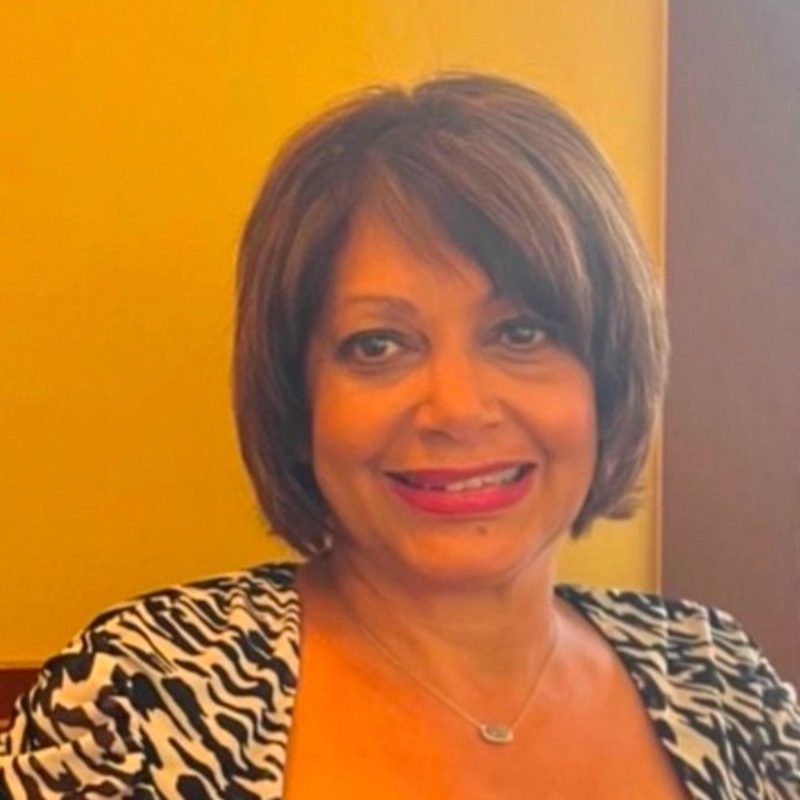
Carolyn P. Stewart built a 44-year career in banking, rising from financial advisor to Senior Private Banker and Team Lead Manager at institutions like Merrill Lynch, Citi, Wells Fargo, and Washington Trust Bank in Seattle. She specialized in private and wealth management banking, helping high-net-worth clients manage complex financial decisions — a field where she carved out a long and respected path. Her journey shows that with focus and persistence, you can build deep expertise in finance and reach senior leadership over a career that spans decades.
Their story
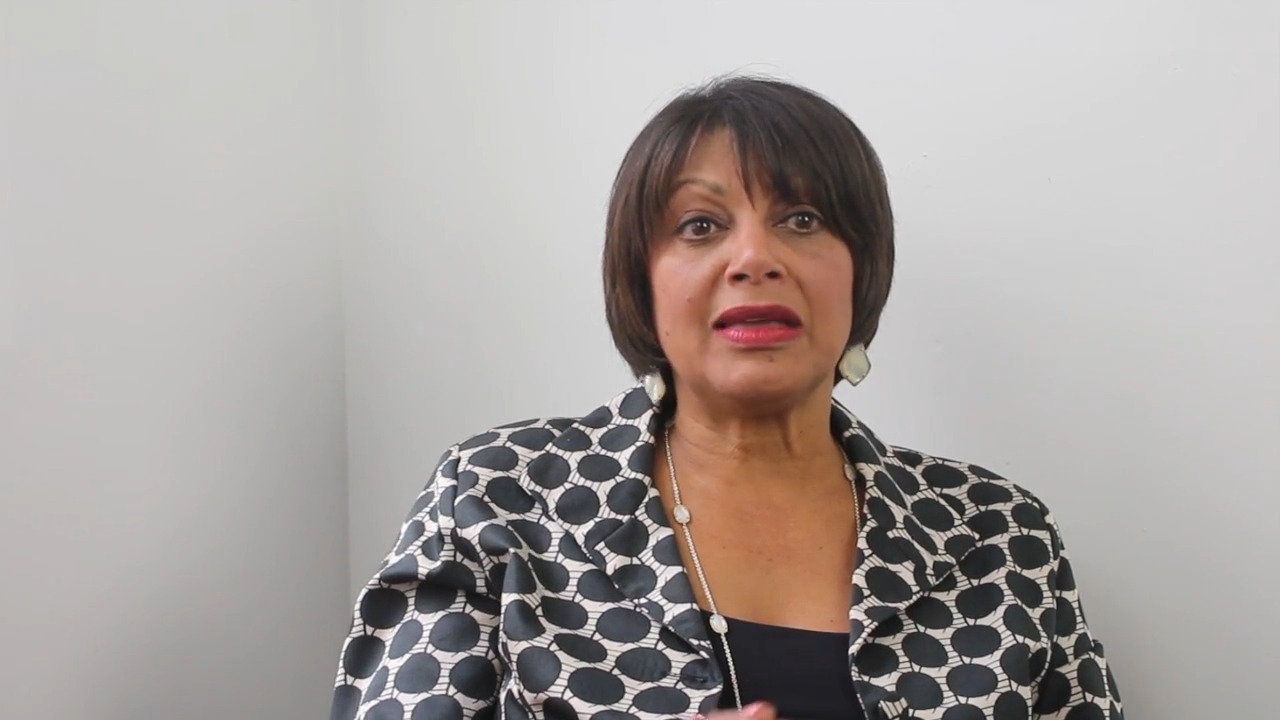
Private Banking - "It's a People Business"
15 min
Watch the full story →
Watching requires a free Vitaes account.
Key quotes
“It's a people business. And most importantly, you need to have some sort of network. You can build a network, but if you really are not a people person and are about getting outside of the office and joining various clubs and figuring out how to build a network, it can be quite difficult.”
Carolyn Stewart, Private Bank Team Leader Manager
“People forget that generally most people want to help, they do want to help, and then reach out and say, you know, I really don't know anything about private banking. I would like to learn more. I think you'd be surprised that people would — bankers would take, say, sure, why not meet for coffee.”
Carolyn Stewart, Private Bank Team Leader Manager
“If you treat your clients the way you treat your grandparents or your parents in that same manner where you're respectful and you're attentive to their needs, it all comes together quite well.”
Carolyn Stewart, Private Bank Team Leader Manager
“I certainly had no idea I'd be in banking. That's not something I had on the radar to say I want to be a banker.”
Carolyn Stewart, Private Bank Team Leader Manager
“I felt that I had had good managers over the years and not so good managers over the years. When I say not so good, it's regarding the areas of nurturing and mentoring and coaching. And I felt that I would be able to contribute in those areas.”
Carolyn Stewart, Private Bank Team Leader Manager
Career highlights
Ask someone in the field you're curious about to meet for coffee — most people genuinely want to help.
Carolyn talked about how she asked her future manager Lynn to explain what private banking was, and that simple conversation led to a job offer. She said most people forget that others actually want to help when you reach out.
You don't need a business degree to break into banking — people skills and experience matter just as much.
Carolyn noted that about 50% of private bankers she's worked with don't have a business degree. Some have degrees in comparative literature or history. What counts most is your ability to build relationships and your hands-on banking experience.
Try an internship or informational interview early to see if a field actually fits you before committing.
Carolyn strongly recommended getting acquainted with private banking through internships because, as she put it, 'it's not for everyone' — and you want to find that out before you're deep into a career path.
Treat clients the way you'd treat your grandparents — with respect, attentiveness, and genuine care.
Carolyn shared this as one of her core philosophies. She said clients can tell immediately if you're not listening or if you're pushing your own agenda, and that caring authentically is what builds long-term loyalty.
Learn to prioritize when your day gets pulled in multiple directions — that skill will define your effectiveness as a leader.
Carolyn described her days as full of interruptions — jumping between loan approvals, client calls, mentoring junior bankers, and compliance visits. She said prioritization is what keeps everything from falling apart.
Seek out mentors actively, and when you become experienced, pay it forward to people earlier in their careers.
Carolyn reflected on having both great and not-so-great managers over her career. The good ones had open-door policies and made time to coach her. Now she tries to be that person for her junior bankers, especially around things like networking and building a book of business.