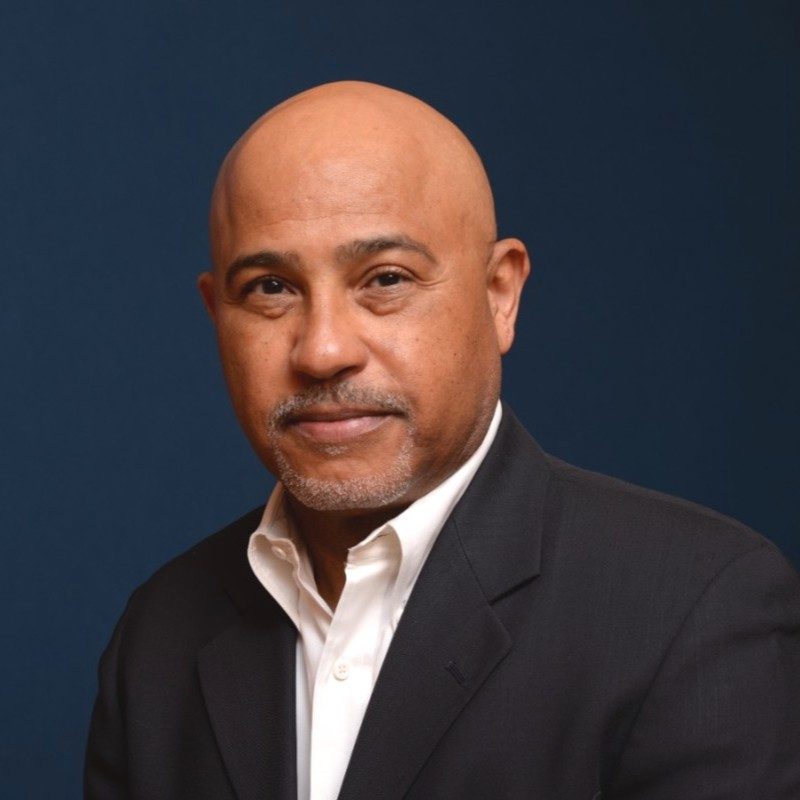
B.J. Stewart went from over a decade in accounting and consulting at PricewaterhouseCoopers to owning a franchise and a staffing agency — proving that career paths don't have to be a straight line. Today, as Executive Director of Sunshine Enterprises in Chicago, he leads an organization that helps entrepreneurs from underinvested communities build and grow their own businesses. His journey across corporate America, small business ownership, and nonprofit leadership shows what's possible when you're willing to keep learning and evolving.
Their story
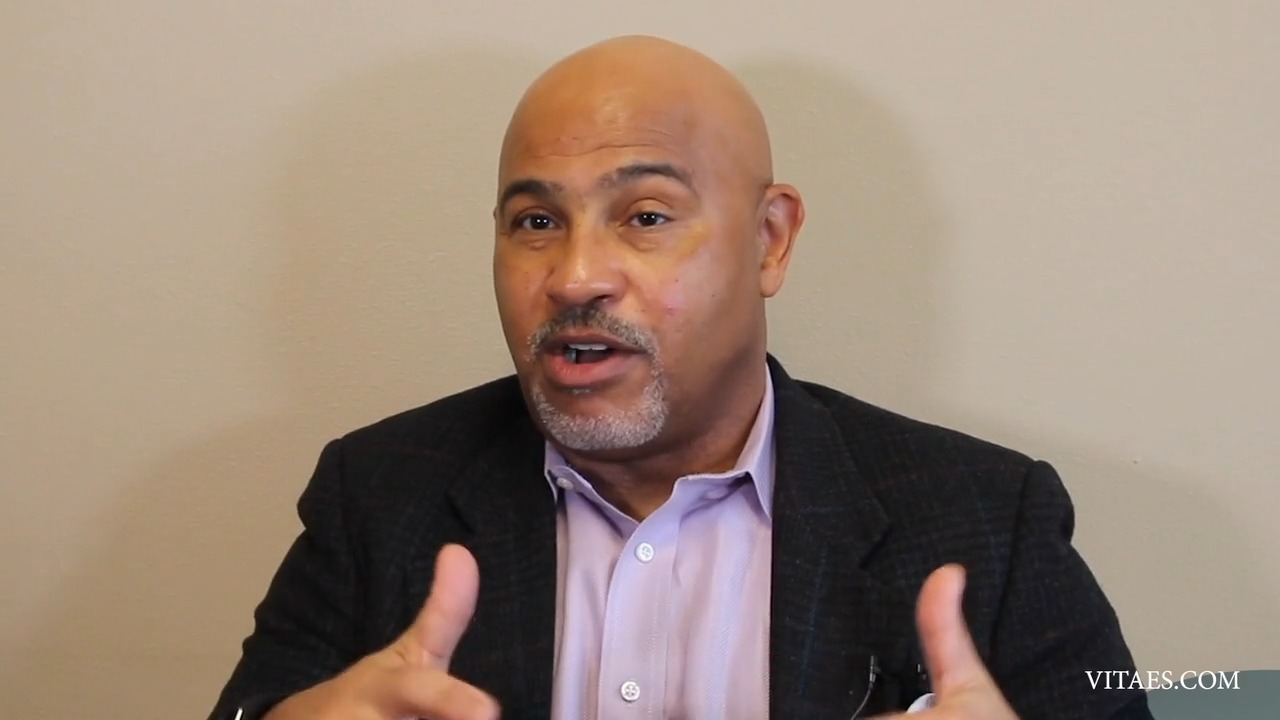
Build relationships before you need them — they open doors you don't even know exist.
18 min
Watch the full story →
Watching requires a free Vitaes account.
Key quotes
“If I'm reliable, if I provide something of value to someone and meet their need, people are willing to pay for that — and I could get rewarded for meeting that need. And that was my first entrepreneurial experience.”
BJ Stewart, Executive Director
“I didn't see anyone like me. And that created some barriers in terms of how to model my career.”
BJ Stewart, Executive Director
“What I promised myself is I'm not going to worry about that. I'm going to take advantage of the opportunities that I am presented.”
BJ Stewart, Executive Director
“You don't need a formal education but you do need to put yourself in a position where you learn how to be a lifelong learner.”
BJ Stewart, Executive Director
“You can accomplish anything that you want to accomplish in life if you have a vision and you have a plan for that vision and you garner the support needed — because no one can do everything by themselves.”
BJ Stewart, Executive Director
Career highlights
Learn the language of business — even if you don't become an accountant.
BJ got an accounting degree not because he loved spreadsheets, but because he knew understanding finance was the foundation of any business career. That skill followed him from PwC to owning a restaurant to running a nonprofit.
Career pivots aren't failures — they're how you find your purpose.
BJ moved from big-four accounting to corporate finance to franchise ownership to staffing to nonprofit leadership. Each move was intentional and built on the last. He says the 18-year-old version of himself never would have predicted where he'd end up.
Representation matters — and the lack of it is a real structural barrier, not a personal shortcoming.
BJ reflects on not making partner at PwC and notes there were very few Black partners. Without people who looked like him to model his career after or build mentorship relationships with, advancing to the top became much harder.
Build relationships before you need them — they open doors you don't even know exist.
BJ says 'you don't know what you don't know.' He built a relationship with Urban Impact before he even knew he'd work there. That connection eventually led to his leadership role.
College gives you more than a degree — it teaches you how to keep learning.
BJ says the most valuable thing college gave him wasn't accounting knowledge — it was learning how to solve problems, collaborate, and become a lifelong learner. He says formal education isn't required, but developing that mindset is.
Nonprofit work is real, skilled leadership — and it pays.
BJ breaks down the numbers: entry-level nonprofit roles in Seattle start around $45K, and executive positions range from $85K to $150K. He's clear that the real reward is impact, but he wants students to know it's a legitimate, compensated career path.